Choosing the Perfect Tricycle for 2 Year Old Baby Girl: A Guide for Parents and Caregivers
At first glance, a tricycle for 2 year old baby girl might seem like just a fun toy. But frankly, it’s much more—a developmental tool, a gateway to motor skills, coordination, and independence for toddlers all over the globe. Across continents, from urban playgrounds to quiet suburban streets, these tricycles represent early childhood milestones wrapped in bright colors and safe, sturdy designs.
Why the Tricycle Matters Globally
Globally, toddler development is an essential concern that shapes how we design tools for young children. According to the World Health Organization (WHO), motor skills development in early years is critical for lifelong physical health, and play-based learning supports mental and social growth. A well-suited tricycle for a 2 year old baby girl, in essence, contributes to these natural developmental stages.
Yet, many parents face challenges like finding age-appropriate, safe, and durable options that balance fun and function. This is where picking the right tricycle turns into a purposeful decision instead of just a whimsical purchase.
What Exactly is a Tricycle for 2 Year Old Baby Girl?
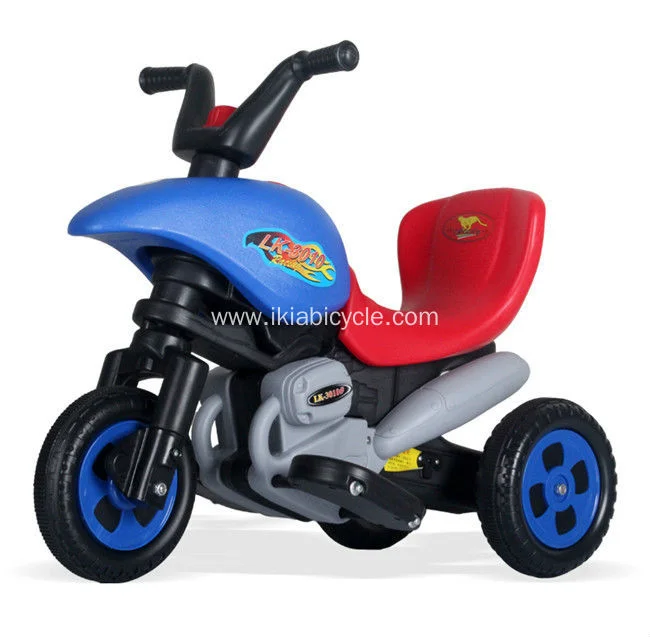
In simple terms, a tricycle for a 2 year old is a three-wheeled cycle uniquely tailored for toddlers around the age of two. It features stability (thanks to the three wheels), sized-down pedals, and often additional safety features like handlebar grips and backrests. The aim? To support children who are just gaining confidence in balancing, pedaling, and steering.
On a broader scale, these tricycles reflect the growing emphasis in manufacturing on child ergonomics, safety certification compliance (think ASTM or EN safety standards), and the increased awareness of early childhood mobility aids worldwide.
Key Components of the Ideal Toddler Tricycle
Durability & Safety
Durability is at the heart of any good toddler trike. Young children tend to be rough on their toys, so manufacturers use sturdy frames—usually steel or high-grade plastic—and non-toxic paints. Safety elements like slip-resistant pedals, soft grips, and stable wheelbases prevent injuries.
Ergonomics & Size
Because toddlers are small but curious, the tricycle must fit their height and reach. Adjustable seats and handlebars accommodate growth, making the trike usable for many months rather than just weeks.
Design & Appeal
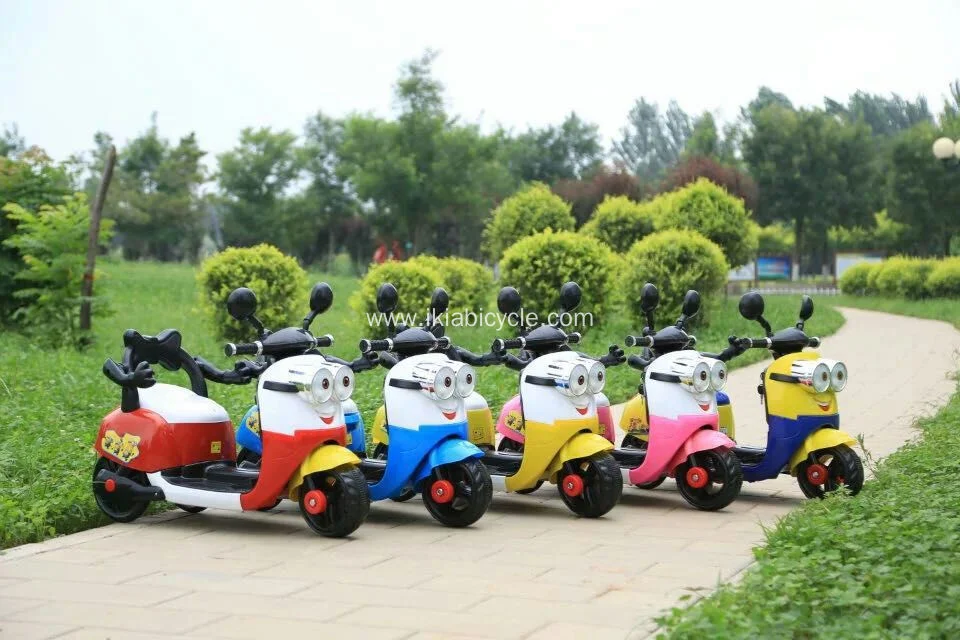
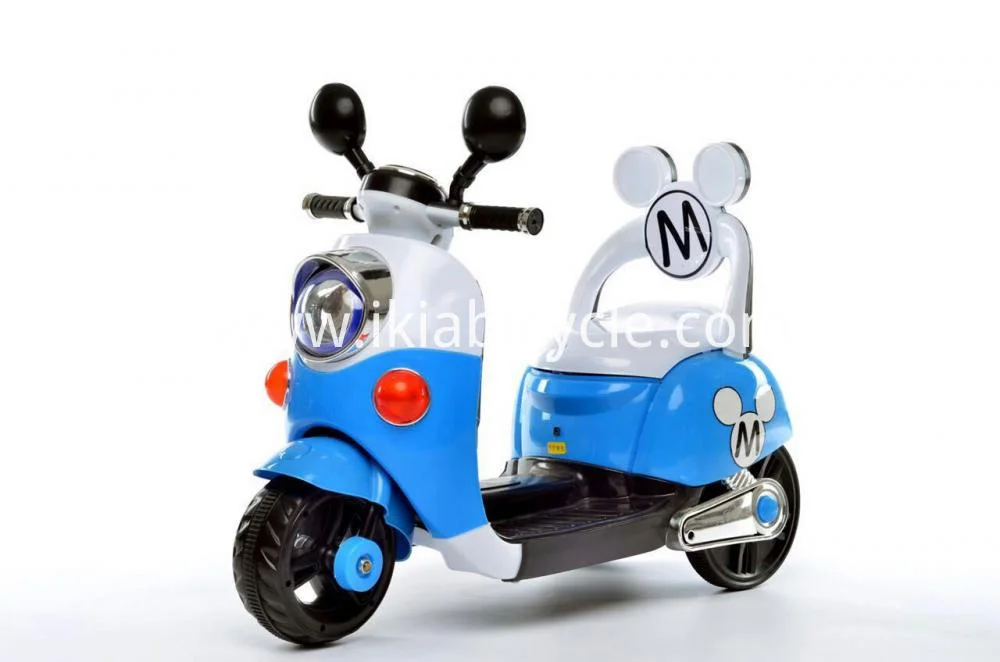
Bright colors, themed designs (hello, princess motifs!), and lightweight frames add an emotional touch. A tricycle that looks inviting naturally encourages engagement.
Ease of Use
Simple assembly, smooth pedal action, and sometimes a parent push handle for guidance help caregivers enjoy the experience as much as the child.
Sample Product Specifications for a Tricycle for 2 Year Old Baby Girl
| Feature |
Specification |
| Age Range |
18 to 36 months |
| Material |
Steel Frame with ABS Plastic Components |
| Weight |
5.2 kg (approx.) |
| Adjustable Seat |
Yes, up to 3 positions |
| Safety Certification |
ASTM F963 Compliant |
| Additional Features |
Parent Push Handle, Non-slip Pedals |
Global Applications & Use Cases
While it’s easy to think tricycles are just backyard toys, many organizations and municipalities incorporate these toddler bikes into early childhood development programs worldwide. For instance, early education centers in Scandinavia promote tricycles to encourage outdoor play regardless of season, fostering both health and social skills.
In urban settings, parent groups in cities like Tokyo or New York advocate tricycle use to ease children’s transition towards walking and biking on their own. Oddly enough, in some emerging regions, NGOs provide durable toddler trikes as gifts during health camp visits, helping kids build confidence through play.
Comparison of Popular Tricycle Brands for 2 Year Old Girls
| Brand |
Safety Features |
Price Range |
Adjustability |
| Lil’ Rider |
Full harness, parental control handle |
$60 - $80 |
2-Level seat adjustment |
| Buddy Bike |
Non-slip pedals, handlebar padding |
$50 - $75 |
Adjustable handlebars |
| Tiny Trekker |
Parental push handle, stable wheelbase |
$70 - $90 |
Seat & handle adjustability |
Advantages and Long-Term Value
Getting a tricycle for a 2 year old baby girl isn’t just about today’s fun. It’s about investing in early childhood health and joy. Among key benefits are:
- Physical Development: Strengthens muscles, balance, and coordination.
- Cognitive Growth: Helps toddlers understand cause and effect—pedal power leads to movement.
- Safety and Confidence: A secure riding toy builds trust and independence.
- Social Interaction: Sharing rides and play with peers fosters interpersonal skills.
Cost-wise, many models come at moderate prices—reasonable enough to last months (sometimes years) if well cared for. Emotionally, parents often share stories how their little girl’s first tricycle led to lasting memories and early enthusiasm for outdoor exploration.
Emerging Trends & Innovations
The tricycle market for toddlers is quietly evolving. Green materials like bamboo parts and recycled plastics are trending, aligning with sustainability goals. Tech-wise, some models now incorporate smart sensors that encourage safe use or milestone tracking.
There's even discussion about integrating foldable designs for urban parents who crave portability without sacrificing sturdiness. These innovations mirror global trends in children's toys focusing on eco-friendliness and adaptability.
Facing Challenges and Exploring Solutions
One ongoing challenge is finding tricycles that balance weight—heavy enough to be sturdy, yet light for toddlers to maneuver. Plus, ensuring universal safety certifications across global markets can be tricky, as standards differ.
Manufacturers address this through rigorous multi-standard testing and by using modular parts that can be swapped or adjusted easily. Consumer education, including setup guides and proper supervision tips, also play a huge part.
FAQ About Tricycles for 2 Year Old Baby Girls
- What safety features are essential in a toddler tricycle?
- Look for a stable three-wheel design, non-slip pedals, soft handle grips, a secure seat with possible harnesses, and compliance with safety standards like ASTM or EN.
- How do I know if the tricycle fits my 2 year old?
- The seat should allow your child’s feet to touch the ground comfortably when seated, and handlebars should be within easy reach. Adjustable seats and pedals help accommodate growth stages.
- Can the tricycle be used indoors?
- Many toddler tricycles work indoors if space allows and the wheels are designed for smooth surfaces. However, outdoor use maximizes physical activity and exposure to fresh air.
- Is assembly difficult for these tricycles?
- Most come with simple instructions, often requiring just a few minutes and basic tools. Some brands even offer video tutorials for added ease.
- Where can I find safe, affordable tricycles for my toddler?
- Many online retailers and specialty children’s stores stock quality options. For tailored advice, check out tricycle for 2 year old baby girl selections on trusted platforms.
Conclusion: Making the Right Choice for Lifelong Joy
Ultimately, choosing the right tricycle for a 2 year old baby girl is about blending safety, fun, and developmental benefit. It’s a small but meaningful investment in your child’s first steps toward mobility and independence. If you’re eager to explore quality options that marry design with safety, I invite you to visit our website at https://www.ikia-tanda.com for expert picks and parenting insights.
Remember, these tricycles are more than toys—they’re vehicles of growth, memories in the making.
On a personal note, I always find it heartwarming to see how something as simple as a tricycle sparks giggles, confidence, and little moments of triumph in a toddler’s life.
Quick Takeaway: Flexibility in adjustability, safety compliance, and fun design are key when selecting the perfect tricycle for your toddler’s unique journey.
- WHO Early Childhood Development Fact Sheet
- Wikipedia: Bicycle
- ASTM F963 Safety Standard