Why the Baby Born Tricycle is a Game Changer in Early Childhood Mobility
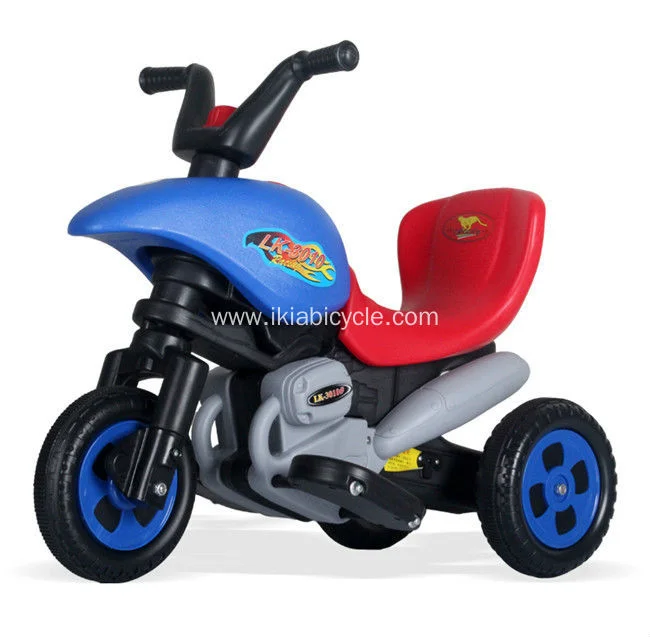
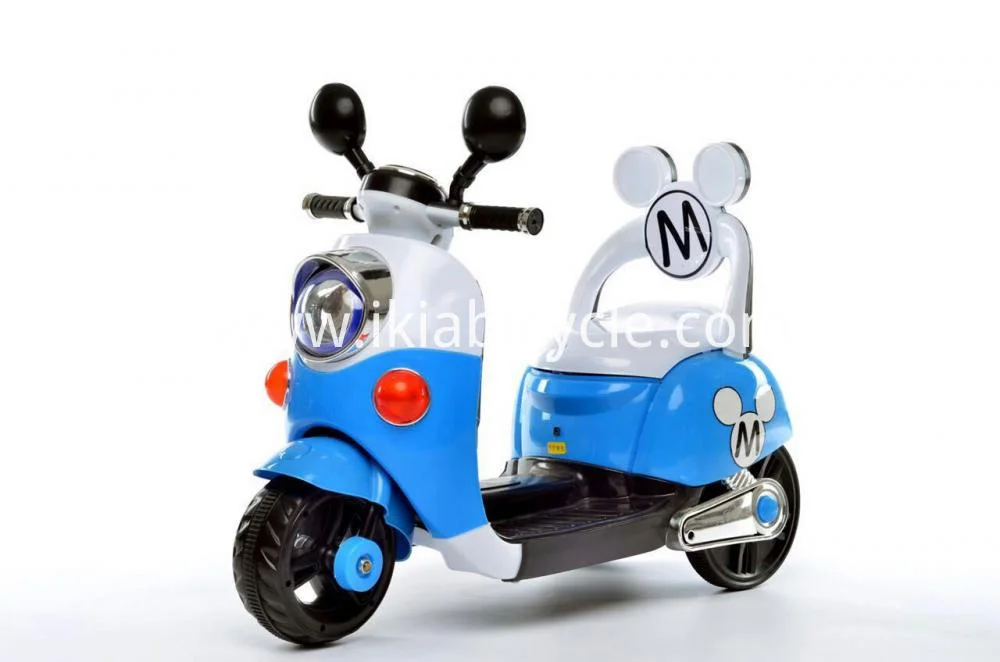
Working in industrial equipment for years, I often find parallels between big machinery and the seemingly simple design of kids’ toys. Take the baby born tricycle, for example—it might look straightforward at first, but there’s a surprising amount of engineering finesse behind it. Oddly enough, such a small product involves a lot of planning to balance safety, durability, and fun.
The baby born tricycle isn't just a sturdy ride-on toy; it reflects broader trends in child development gear, where lightweight but resilient materials meet ergonomic features. I remember inspecting the frame’s weld joints during a product trial, noting how the designers used powder-coated steel to fend off rust and wear—a must in outdoor equipment, even for toddlers.
The design focuses heavily on stability, which is no surprise if you’ve spent time around young children who are just mastering balance. The wide wheelbase, combined with non-slip rubber tires, provides a reassuring grip on both pavement and grass. And frankly, the adjustable seat caters to kids growing fast—something that parents really appreciate.
Baby Born Tricycle Product Specifications
| Feature |
Details |
| Suitable Age |
1.5 to 3 years |
| Material |
Powder-coated Steel, ABS Plastic |
| Wheel Type |
Non-slip rubber, 10-inch diameter |
| Adjustable Seat |
Yes, 3 height positions |
| Weight Capacity |
Up to 23 kg (50 lbs) |
| Brakes |
Rear coaster brake |
I’ve witnessed how some competitors’ models fall short—either being too heavy or skimping on safety testing. From what I gather, many manufacturers test their tricycles for things like handlebar durability and wheel wear, but the baby born tricycle takes it a notch above with a third-party safety certification that really gives you peace of mind.
Vendor Comparison for Baby Tricycles
| Feature |
Baby Born |
Competitor A |
Competitor B |
| Weight (kg) |
4.5 |
6.2 |
5.8 |
| Material Quality |
High-grade steel, ABS |
Medium-grade aluminum |
Low-grade plastic |
| Adjustable Seat |
3 positions |
Fixed |
2 positions |
| Safety Certification |
Passed CE & ASTM |
None |
Passed ASTM only |
| Price Range |
$55-$70 |
$45-$65 |
$40-$55 |
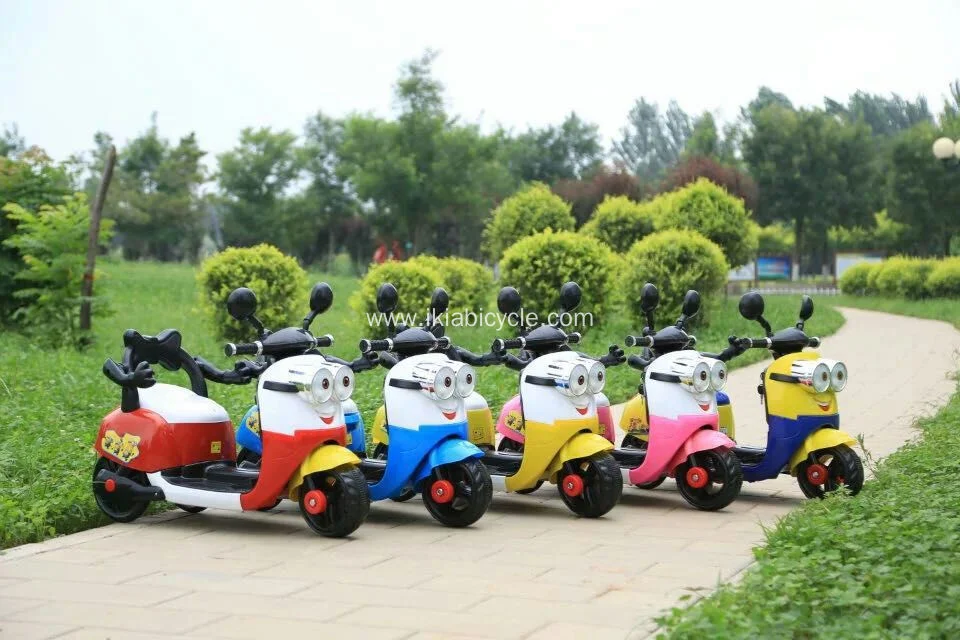
As a side note, customization options seem to be picking up traction recently. I chatted with a young mom who customised the baby born tricycle with some colorful stickers and a lightweight bell—small touches, but they turned the ride into something more personal and fun for her toddler. It’s a reminder that even in something as ‘industrial’ as child mobility equipment, the human factor really matters.
All in all, the baby born tricycle stands out because it strikes a nice balance between industrial-grade durability and child-friendly design. If you work in this field or just care about getting a safe, reliable first ride for a little one, it’s worth a closer look — especially on sites like ikia-tanda.com where quality is consistently vetted.
In real terms, these kinds of products remind me of why attention to detail and proper testing matter—because we’re not just building equipment; we’re creating experiences that help shape early motor skills and independence.
Bottom line? Even tiny tricycles can carry big lessons in design and care.
References:
1. ASTM International Safety Standards for Children’s Toys
2. CE Certification Guidelines for Ride-On Toys
3. Parents’ Survey on Tricycle Safety and Usability, 2023