Bicycle Stem

A bicycle stem is an essential component that connects the handlebars to the steerer tube of the fork, determining both comfort and control while riding. Available in various lengths and angles, the bike stem influences riding posture, handling, and aerodynamics. For road cyclists, a road bike stem is typically lightweight and designed for a low, aerodynamic position. On the other hand, a mountain bike stem is shorter and stronger, offering better control and stability on rough terrains. Riders who need extra height can use a bike stem riser, which helps adjust handlebar height for a more upright and comfortable riding position. Stems come in different materials such as aluminum alloy for strength and affordability, and carbon fiber for lightweight performance. Choosing the right bicycle stem ensures an optimal balance between comfort, efficiency, and handling for every type of cyclist.

A bicycle stem is one of the most important components of any bike, as it connects the handlebars to the fork steerer tube. The stem not only secures the handlebar but also determines rider position, comfort, and handling. A longer stem stretches the rider forward for a more aerodynamic position, while a shorter stem offers quick and responsive control, especially for mountain biking.

Cyclists can choose from road bike stems, mountain bike stems, and adjustable stems, depending on riding needs. Road cyclists usually prefer lightweight and aerodynamic stems, while MTB riders opt for shorter and sturdier designs for stability on uneven terrain. For those seeking comfort, a bike stem riser provides extra handlebar height for a more upright posture.

Selecting the right stem material is also crucial—aluminum stems are durable and affordable, while carbon bike stems are lightweight and ideal for performance riders. Whether you are racing, commuting, or riding for leisure, the right bike stem ensures optimal control and riding efficiency.


bicycle parts distributors

Types Of Road Bike Stems And Their Uses

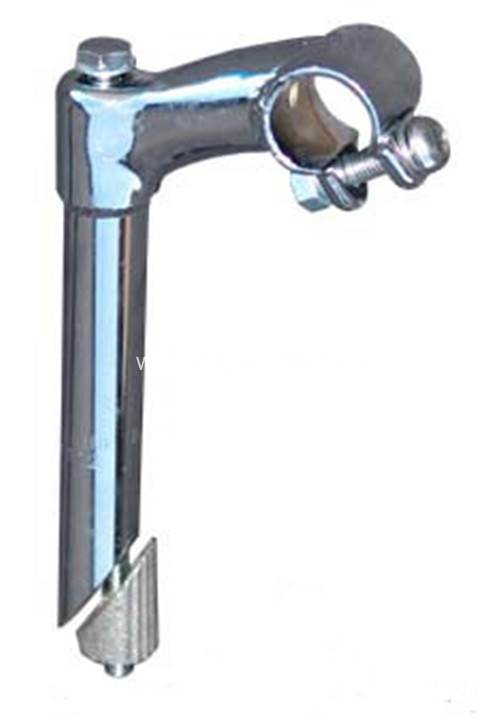
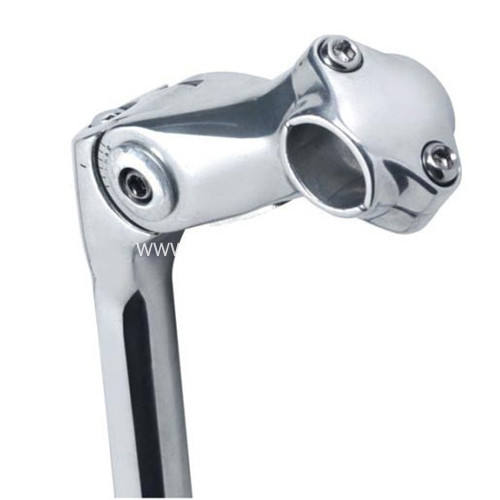
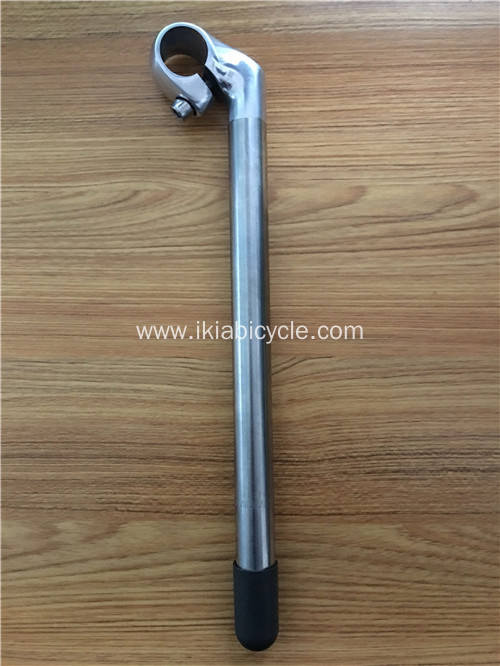
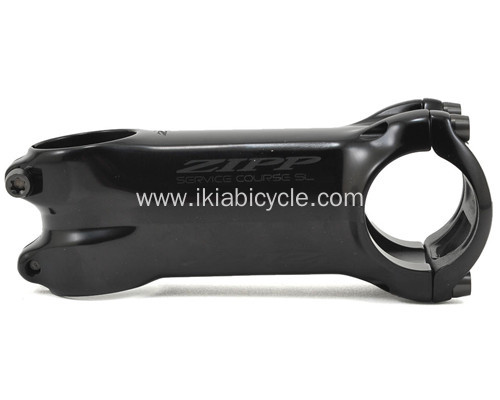
When it comes to road bike stem types, riders can choose from several designs, each serving a specific purpose. Threadless Stems – The most common modern design, clamping directly onto the steerer tube. They are easy to adjust and available in various lengths. Quill Stems – Used on older bikes, they insert inside the steerer tube and are adjusted with an expander bolt. Adjustable Stems – These allow riders to change the angle of the handlebars, offering flexibility for both comfort and performance. Integrated Stems – Found on high-end road bikes, where the stem and handlebar are one piece, reducing weight and improving aerodynamics. Bike Stem Risers – Add extra height to the handlebar, popular among riders who want a more upright posture. Selecting the right road bike stem depends on riding style. Racers usually prefer a lightweight, low-angle stem for speed, while endurance riders may opt for a slightly raised angle for comfort. Meanwhile, mountain bike stems are shorter and sturdier to provide better control during off-road riding. By understanding the different bike stem types, cyclists can upgrade their bikes for improved comfort, stability, and performance.

Bicycle Stem FAQs

RECOMMENDED NEWS
High Performance Road Bike Brakes Guide for Safety and Speed

When it comes to high-speed cycling, the ability to decelerate with precision and confidence is just as critical as the ability to accelerate. High-performance road bike brakes serve as the primary safety interface between the rider and the road, transforming kinetic energy into heat to ensure controlled stops in diverse environments. Whether you are navigating a steep alpine descent or weaving through urban traffic, the reliability of your braking system defines your overall riding experience. The global cycling industry has seen a paradigm shift in braking technology, moving from traditional rim-based friction to advanced hydraulic disc systems.

Comprehensive Guide to Different Bicycle Brake Types for Safety

Selecting the right braking system is one of the most critical decisions for any cyclist, whether they are commuting through city traffic or descending a mountain trail. Understanding the various bicycle brake types is not just about performance; it is fundamentally about safety, control, and the ability to react instantaneously to unpredictable road conditions. From the simple mechanics of rim brakes to the high-performance hydraulic systems found on modern racing bikes, each technology offers a unique balance of stopping power, weight, and maintenance requirements. As the global shift toward sustainable urban mobility accelerates, the demand for reliable and efficient braking solutions has grown.


CONTACT US
Ride further, faster, and smarter – with bikes and parts built for every adventure.From everyday rides to epic journeys, we’ve got the bike and gear you can trust.

If you are interested in our products, you can choose to leave your information here, and we will be in touch with you shortly.

  • captcha