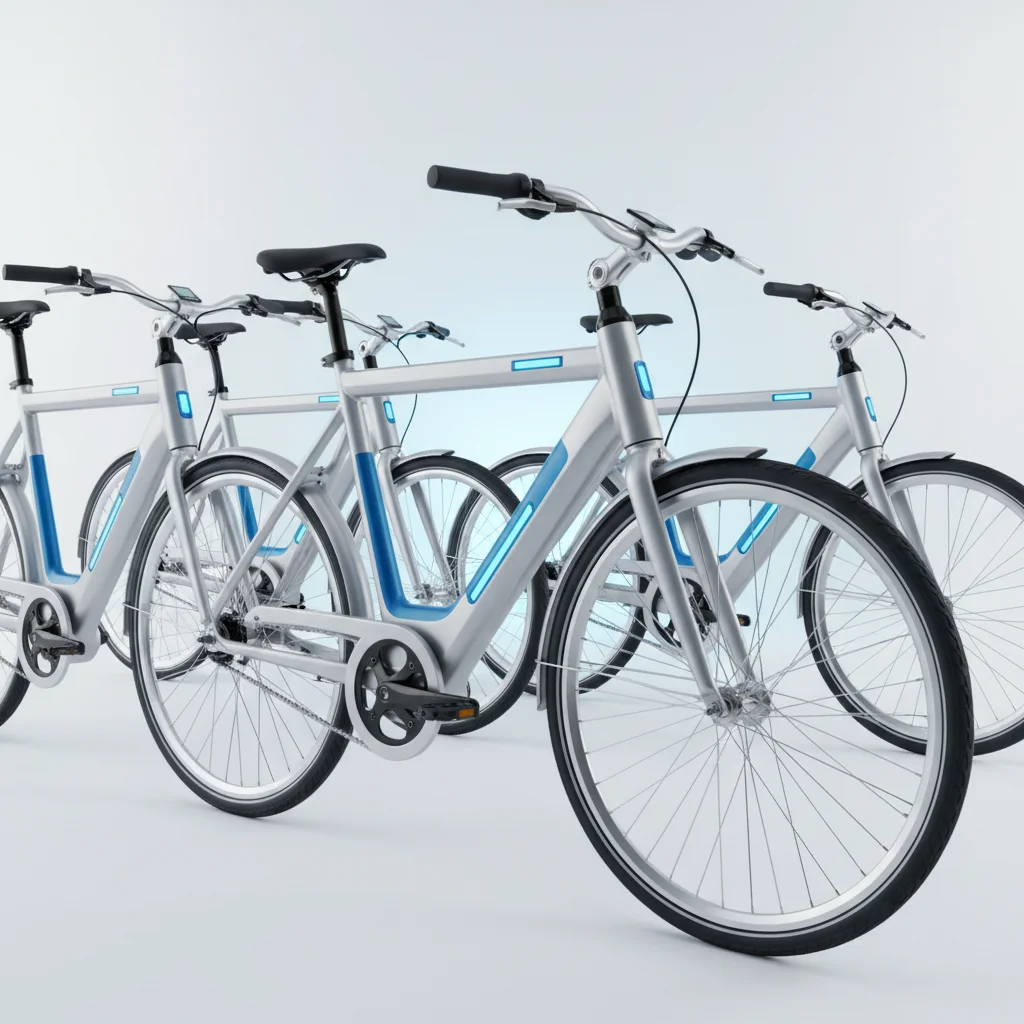
When it comes to high-speed cycling, the ability to decelerate with precision and confidence is just as critical as the ability to accelerate. High-performance road bike brakes serve as the primary safety interface between the rider and the road, transforming kinetic energy into heat to ensure controlled stops in diverse environments. Whether you are navigating a steep alpine descent or weaving through urban traffic, the reliability of your braking system defines your overall riding experience.
The global cycling industry has seen a paradigm shift in braking technology, moving from traditional rim-based friction to advanced hydraulic disc systems. This evolution is driven by the demand for consistent stopping power regardless of weather conditions, as ISO standards for bicycle safety continue to evolve toward more rigorous deceleration requirements. For the modern enthusiast, understanding the nuances of these systems is no longer optional—it is a prerequisite for safety and performance.
However, the transition to more complex braking systems introduces new challenges, including increased maintenance requirements and the need for specialized tools. Many riders struggle to balance the trade-off between the lightweight nature of traditional calipers and the raw power of disc brakes. By analyzing the mechanical advantages and material science behind road bike brakes, riders can make informed decisions that enhance both their speed and their security.
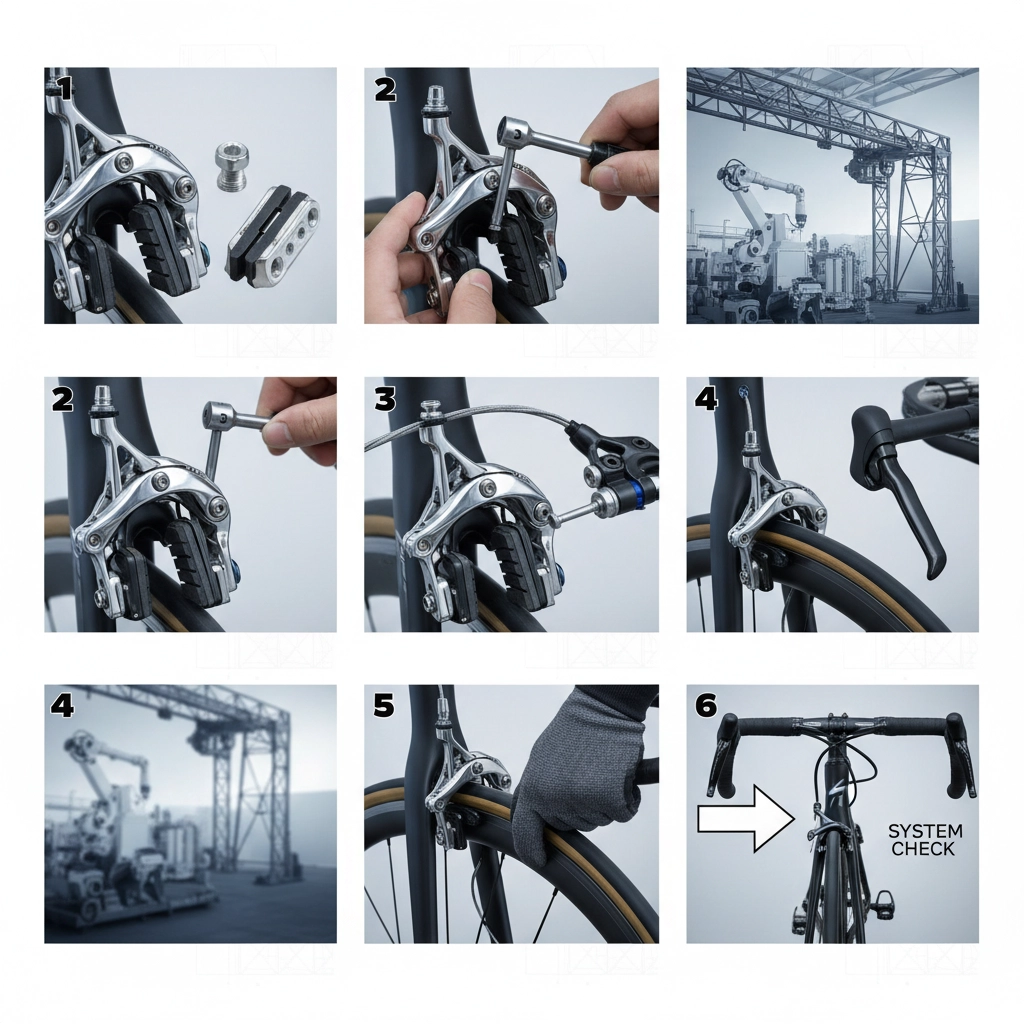
The Mechanics and Evolution of Road Bike Brakes
The journey of road bike brakes began with simple friction pads pressing against a wheel rim. For decades, this "rim brake" design was the gold standard due to its minimal weight and simplicity. However, as road bikes became faster and frames more aerodynamic, the industry needed a solution that could handle higher thermal loads and offer more modulation during high-speed descents.
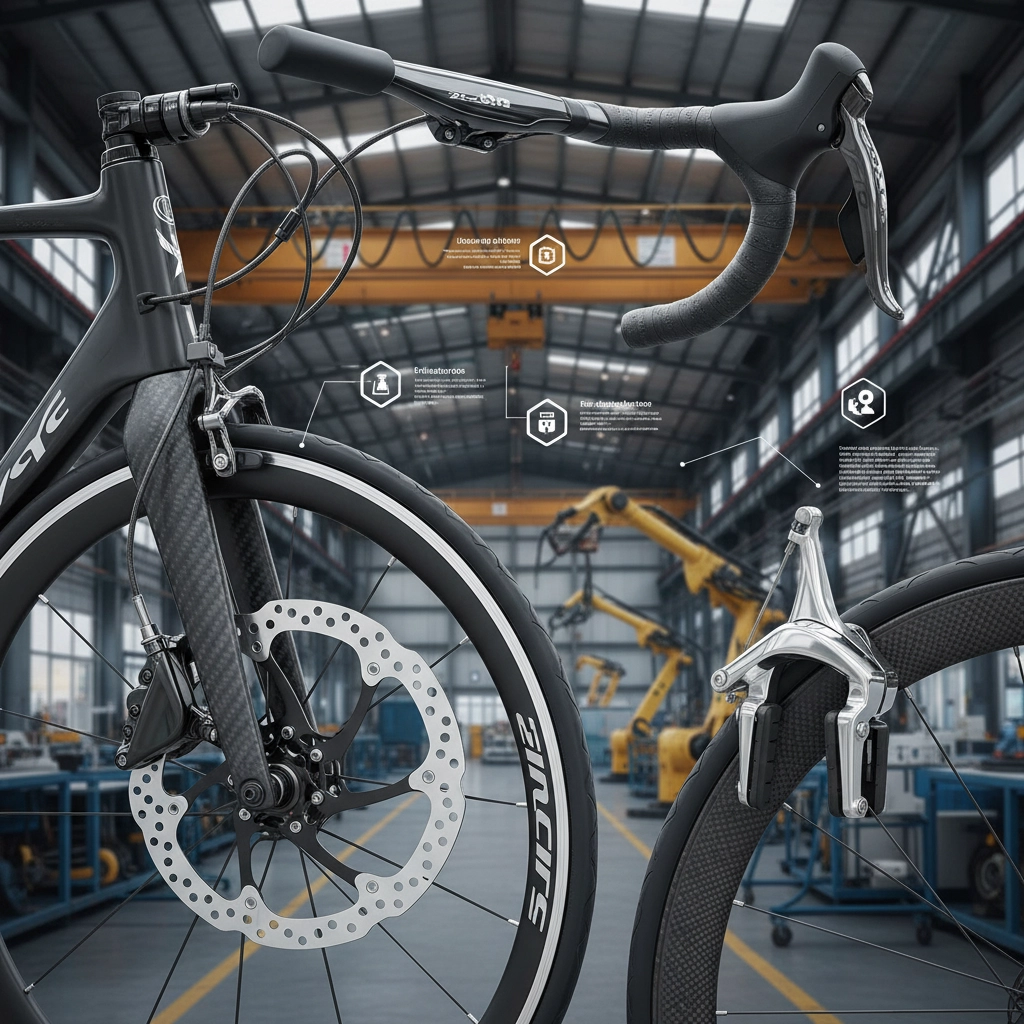
The introduction of disc brakes marked a revolutionary step, shifting the braking surface from the rim to a dedicated rotor attached to the hub. This separation prevents the rim from overheating and ensures that braking performance remains consistent even in torrential rain or muddy conditions. This shift reflects a broader industry trend toward "fail-safe" engineering, prioritizing rider safety over the marginal weight savings of the past.
Core Components for Maximum Stopping Power
At the heart of any efficient braking system are several key components that work in harmony. The brake lever is the primary interface, where the rider's input is converted into mechanical or hydraulic pressure. In high-end road bike brakes, ergonomics are paramount, ensuring that the lever can be operated with minimal effort even during long-distance endurance rides.
Next is the transmission medium—either a braided steel cable or a hydraulic fluid line. Cables are prized for their simplicity and ease of repair, while hydraulic systems offer superior modulation and power because fluid is incompressible. The caliper then converts this pressure into clamping force, squeezing the pads against the braking surface to create the friction necessary for deceleration.
Finally, the friction material (the brake pads) plays a decisive role. Depending on the application, pads can be made from organic compounds for quiet operation, sintered metals for extreme durability, or semi-metallic blends for a balance of both. Choosing the right pad compound is essential to avoid "brake fade," a phenomenon where overheating reduces the friction coefficient and increases stopping distances.
Comparing Rim Brakes vs Disc Brakes Performance
When evaluating road bike brakes, the most enduring debate is between rim and disc systems. Rim brakes are lightweight and easier to maintain, making them a favorite for weight-weenie climbers and traditionalist racers. However, they suffer from significantly reduced performance in wet weather, as water on the rim acts as a lubricant.
Disc brakes, conversely, offer unmatched stopping power and consistency. Because the rotor is located away from the rim, it remains less susceptible to environmental contaminants. Furthermore, disc systems allow for wider tire clearances, as they do not require a braking track on the rim, enabling riders to use more comfortable and stable tire widths for long-distance touring.
Ultimately, the choice depends on the intended use case. For a fair-weather criterium race where every gram counts, a high-end rim setup might suffice. But for all-season commuting or professional stage racing in the Alps, the reliability and safety of hydraulic road bike brakes make them the indispensable choice for the modern cyclist.
Performance Metrics and Braking Efficiency
Measuring the efficiency of road bike brakes involves looking at modulation, heat dissipation, and stopping distance. Modulation refers to the rider's ability to apply a precise amount of braking force without locking the wheels. A system with high modulation allows for "feathering" the brakes during a corner, which is critical for maintaining traction and stability.
Another key metric is the thermal capacity of the system. During long descents, kinetic energy is converted into intense heat. If the braking surface cannot dissipate this heat quickly enough, the system may experience fade. This is why oversized rotors are becoming common in road cycling, providing a larger surface area for cooling.
Braking System Efficiency Comparison
Global Applications in Professional Cycling
In the world of professional racing, such as the Tour de France, road bike brakes are subjected to the most extreme conditions imaginable. When riders descend mountains at 100 km/h, the brakes must provide an absolute guarantee of stopping power. The adoption of disc brakes by the UCI (Union Cycliste Internationale) was a response to the need for increased safety during these high-stakes descents.
Beyond the pro peloton, these systems are vital for urban infrastructure. In densely populated cities across Europe and Asia, where cycling is a primary mode of transport, reliable brakes are a public health necessity. The ability to stop instantly in unpredictable city traffic reduces accident rates and encourages more citizens to adopt sustainable transport, showcasing the social impact of high-quality bicycle components.
Long-Term Value and Maintenance Reliability
Investing in premium road bike brakes provides long-term value through durability and reduced wear. While cheaper components may offer initial stopping power, they often suffer from rapid pad degradation and cable stretch. High-quality alloys and precision-machined surfaces ensure that the braking feel remains consistent over thousands of kilometers.
From a reliability standpoint, the "set and forget" nature of modern hydraulic systems is a significant advantage. Unlike mechanical cables that require frequent tension adjustments, hydraulic systems maintain their pressure, provided they are bled periodically. This reduces the cognitive load on the rider, allowing them to focus on the road rather than worrying about mechanical failure.
Furthermore, the sustainability aspect cannot be ignored. Durable braking systems mean fewer replacement parts ending up in landfills. By utilizing high-grade materials that resist corrosion and wear, manufacturers are contributing to a more circular economy within the transport equipment industry, ensuring that safety does not come at the expense of the environment.
Future Innovations in Braking Technology
The future of road bike brakes is leaning heavily toward digitalization and advanced material science. We are seeing the emergence of "smart brakes" that can integrate with GPS and speed sensors to suggest optimal braking points or warn the rider of overheating. This integration of IoT (Internet of Things) into bicycle components is transforming the ride from a mechanical experience to a data-driven one.
Material innovation is also playing a huge role. Graphene-infused pads and ceramic rotors are being tested to further reduce weight while increasing thermal resistance. These materials allow for even smaller, more aerodynamic caliper designs without sacrificing the stopping power required for high-speed road cycling.
Additionally, the industry is exploring regenerative braking for e-road bikes. By capturing kinetic energy during braking and feeding it back into the battery, these systems increase the efficiency of electric transport, aligning the cycling industry with global green energy goals and reducing the overall carbon footprint of urban mobility.
Comparative Analysis of Modern Road Bike Braking Systems
| Brake Type |
Stopping Power |
Wet Weather Performance |
Maintenance Effort |
| Traditional Rim |
Moderate (6/10) |
Low |
Very Low |
| Mechanical Disc |
High (8/10) |
High |
Moderate |
| Hydraulic Disc |
Extreme (10/10) |
Extreme |
High (Bleeding required) |
| Carbon Rim Brakes |
Moderate (5/10) |
Very Low |
Low |
| Electronic Actuated |
Extreme (9/10) |
High |
Moderate (Software updates) |
| Hybrid Systems |
High (7/10) |
Moderate |
Moderate |
FAQS
Yes, for most riders, the trade-off is well worth it. While disc brakes add a small amount of weight, they provide significantly more stopping power and consistency, especially in wet conditions. This allows riders to brake later into corners and descend with more confidence, which often leads to faster overall ride times than the weight savings of rim brakes would provide.
Replacement intervals vary based on riding style and environment. Generally, check your pads every 1,000 to 2,000 miles. If you ride frequently in rainy or gritty conditions, they will wear faster. Replace them immediately if the braking surface is worn down to the minimum thickness marker or if you notice a significant increase in stopping distance.
Brake fade occurs when the braking surface overheats, reducing the friction between the pad and the rotor or rim. To prevent this, avoid "dragging" your brakes on long descents; instead, use intermittent, firm applications of pressure to allow the components to cool between uses. Upgrading to larger rotors can also help dissipate heat more effectively.
Yes, hydraulic systems require a specific bleed kit and the correct hydraulic fluid (usually mineral oil or DOT fluid, depending on the brand). Unlike cable brakes, which can be adjusted with an Allen key, hydraulic brakes need air bubbles removed from the system to maintain a firm lever feel. Many riders prefer having this done by a professional mechanic annually.
Generally, no. Disc brakes require specific mounting points (tabs) on the fork and rear stays, as well as hubs with rotor mounts. If your frame was not designed for disc brakes, you cannot simply add them. You would need to upgrade your frame, fork, and wheelset to accommodate the change in technology.
Squealing is usually caused by contamination (oil/grease) on the pads or rotor, or by misalignment. Try cleaning the rotor with isopropyl alcohol. If the pads are contaminated, they may need to be sanded lightly or replaced. Ensuring the caliper is centered and the bolts are torqued correctly can also eliminate vibration-induced noise.
Conclusion
The evolution of road bike brakes represents a critical intersection of safety, material science, and athletic performance. From the lightweight simplicity of rim brakes to the unwavering power of hydraulic disc systems, the industry has consistently moved toward solutions that protect the rider without compromising speed. By focusing on core metrics like modulation, thermal management, and durability, cyclists can optimize their equipment to handle everything from urban commutes to professional alpine descents.
Looking forward, the integration of smart technology and sustainable materials will further redefine the braking experience, making cycling safer and more efficient for everyone. Whether you are a professional racer or a weekend enthusiast, prioritizing high-quality braking components is the best investment you can make for your safety and peace of mind. To explore a comprehensive range of professional bicycle parts and components, visit our website: www.ikia-tanda.com