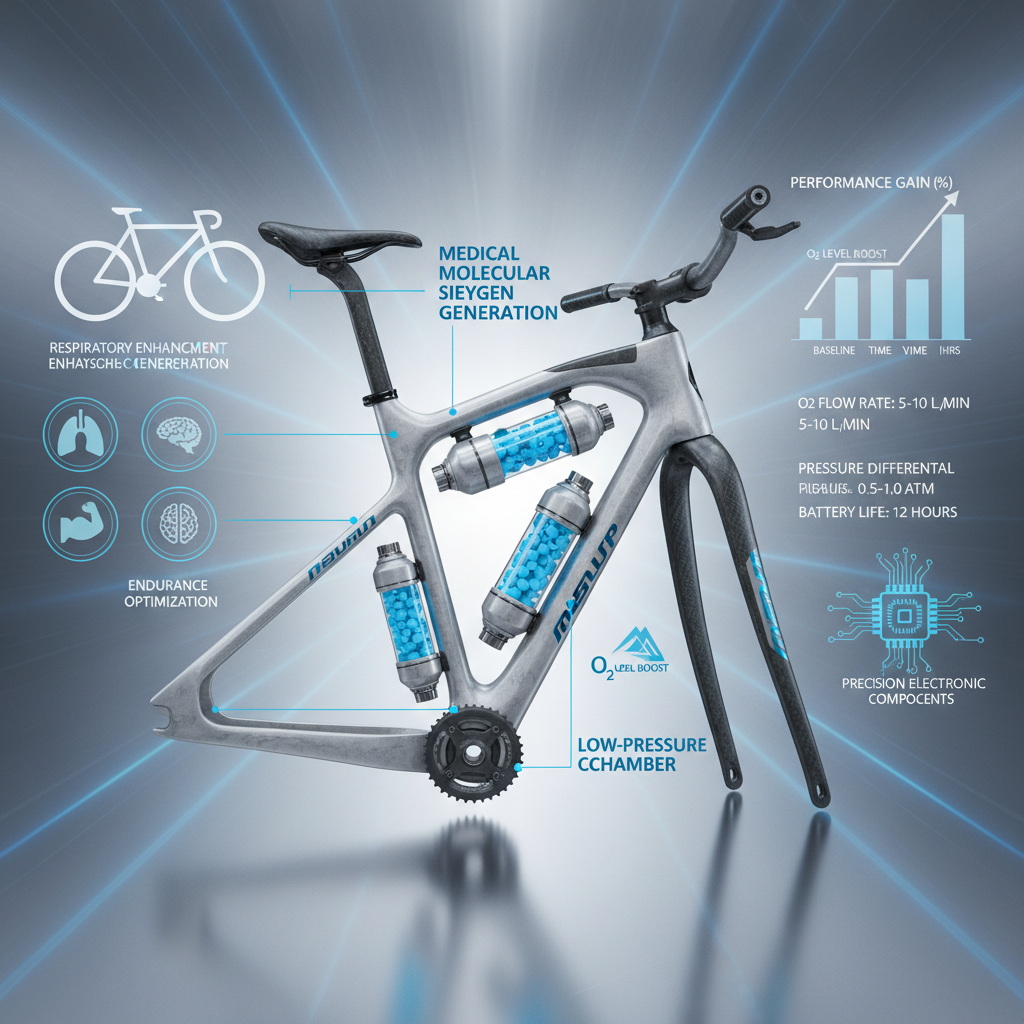
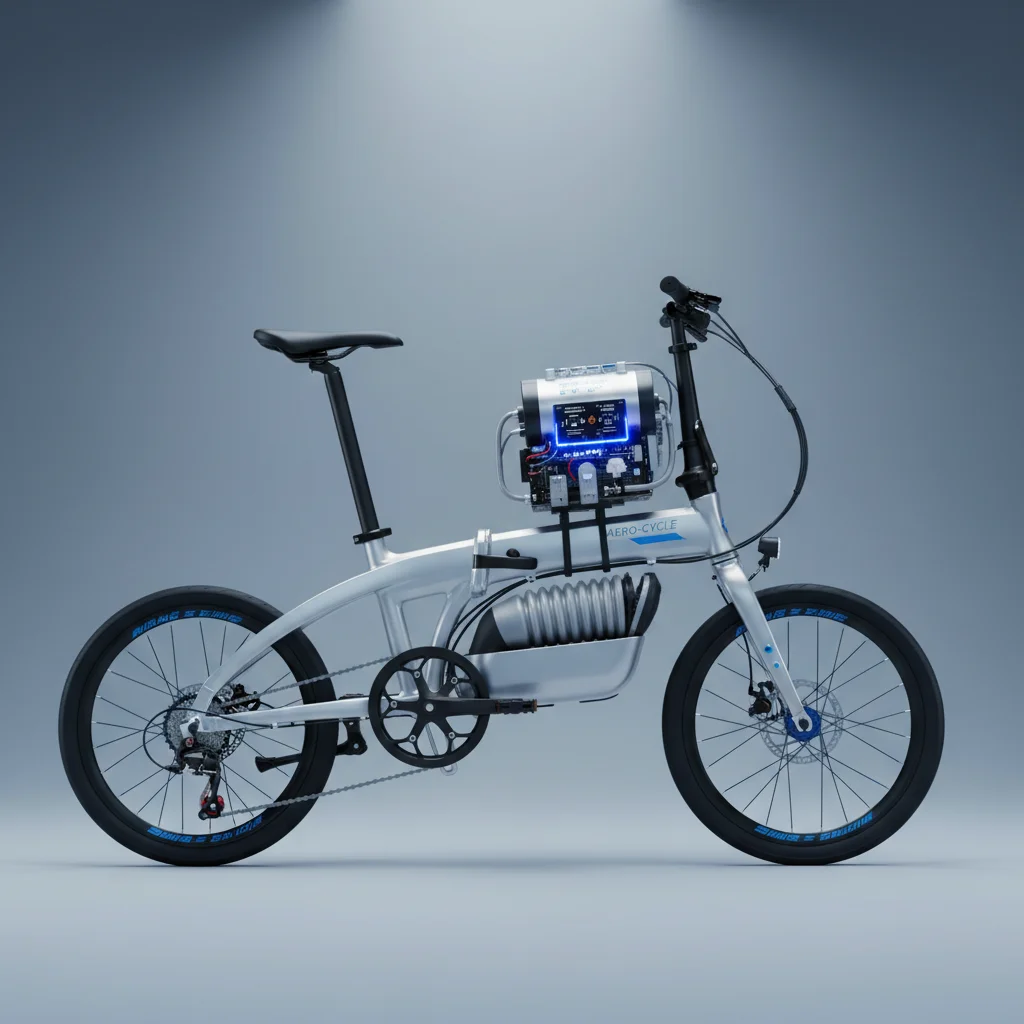
Custom bicycle parts are revolutionizing the cycling experience, offering riders unparalleled opportunities for personalization, performance enhancement, and comfort. Globally, the demand for these parts is surging, driven by increasing participation in cycling as a sport, leisure activity, and sustainable transportation option. This growth isn’t simply about aesthetics; it's about optimizing the ride for individual needs and maximizing the lifespan of bicycles through durable, high-quality components.
The bicycle parts industry represents a significant segment of the broader transportation equipment manufacturing sector. According to market research reports, the global bicycle market (which heavily relies on parts) is projected to reach billions of dollars in the coming years, with a substantial portion of this growth attributed to the aftermarket demand for custom components. Understanding the nuances of these parts—from brake systems to drivetrain components—is crucial for both cyclists and industry professionals.
Investing in custom bicycle parts delivers more than just a superior cycling experience; it offers economic benefits to manufacturers, creates skilled jobs, and fosters innovation within the industry. This is particularly relevant as sustainability becomes a primary concern, with riders seeking durable, repairable parts over disposable options. custom bicycle parts are at the forefront of this movement.
The Importance of Custom Bicycle Parts
The significance of custom bicycle parts extends far beyond mere aesthetics. They represent a crucial element in optimizing performance, ensuring rider safety, and catering to individual cycling needs. Whether a professional racer, a dedicated commuter, or a weekend enthusiast, selecting the right custom parts can drastically improve the overall riding experience. This focus on personalization sets custom parts apart from standard, mass-produced components.
The rise of custom bicycle parts also reflects a broader trend towards individualization in consumer products. People are increasingly seeking products that reflect their personal style and cater to their specific requirements. The ability to tailor a bicycle to one’s exact preferences, through the use of custom components, empowers riders and enhances their connection to their bikes.
Defining Custom Bicycle Parts
Custom bicycle parts are components specifically designed or modified to meet the unique requirements of a rider or a particular bicycle build. These aren't your off-the-shelf, one-size-fits-all parts. They encompass a vast range of options, from individually crafted frames and forks to meticulously tuned drivetrains and braking systems. This customization can involve selecting from a wide variety of existing components, or commissioning bespoke parts made to exact specifications.
The concept of 'custom' in this context can range from choosing a different handlebar grip to designing an entirely new wheelset. It's a spectrum of personalization that allows cyclists to optimize their bike for comfort, performance, and style. The availability of online resources, skilled bike fitters, and direct-to-consumer component manufacturers has made custom builds more accessible than ever before.
These parts play a vital role in adapting bicycles to varying terrains and riding styles, improving both efficiency and enjoyment. A tailored bicycle, through thoughtfully chosen custom bicycle parts, contributes significantly to a rider’s overall well-being and performance.
Core Aspects of Custom Bicycle Parts
Durability is a cornerstone of quality custom bicycle parts. Riders demand components that can withstand the rigors of regular use, varied terrains, and challenging weather conditions. Materials like high-grade aluminum alloys, carbon fiber, and titanium are frequently employed to ensure longevity and resistance to wear and tear. custom bicycle parts focusing on durability offer long-term value.
Precision engineering is paramount. Custom parts often require meticulous manufacturing processes to achieve optimal performance and compatibility. Tight tolerances, smooth finishes, and accurate alignment are critical for ensuring efficient power transfer, responsive braking, and a comfortable ride. This is particularly important for components like bottom brackets, headsets, and derailleurs.
Weight optimization is frequently a primary consideration. Reducing the weight of bicycle components can significantly improve acceleration, climbing ability, and overall handling. Custom parts often utilize lightweight materials and innovative designs to achieve substantial weight savings without compromising strength or durability.
Global Applications and Use Cases
Custom bicycle parts are indispensable in professional cycling, where marginal gains can determine race outcomes. Teams invest heavily in customized frames, wheelsets, and components to optimize aerodynamics, reduce weight, and enhance power transfer. This extends to various disciplines, from road racing and mountain biking to track cycling and triathlon.
Beyond professional sports, custom parts are highly sought after by serious amateur cyclists who participate in competitive events or simply strive for peak performance. Individuals may seek custom bike fits and component selection to address specific biomechanical needs and enhance their riding efficiency. custom bicycle parts are commonly utilized for this purpose.
In regions with challenging terrain or unique riding conditions, custom parts provide solutions that standard components may not offer. For example, in mountainous areas, cyclists may opt for custom gear ratios or robust suspension components to navigate steep climbs and technical descents.
Custom Bicycle Parts Preference by Type
Advantages and Long-Term Value
The primary advantage of investing in custom bicycle parts lies in the enhanced performance and riding experience. A bike tailored to an individual's specific needs and preferences will handle better, accelerate more efficiently, and provide a more comfortable ride. This translates to increased enjoyment, reduced fatigue, and improved overall cycling performance.
Beyond performance, custom parts often offer superior durability and longevity. High-quality components are built to withstand the demands of rigorous use, reducing the need for frequent replacements. This translates to long-term cost savings and a reduced environmental footprint.
Future Trends and Innovations
The integration of smart technology into bicycle components is a growing trend. Custom parts equipped with sensors and connectivity features can provide real-time data on performance, riding conditions, and component health. This data can be used to optimize training, improve maintenance schedules, and enhance the overall cycling experience.
Sustainable materials and manufacturing processes are also gaining prominence. Manufacturers are exploring the use of recycled materials, bio-based polymers, and eco-friendly coatings to reduce the environmental impact of bicycle parts. This aligns with the growing consumer demand for sustainable products.
Additive manufacturing (3D printing) is poised to revolutionize the custom bicycle parts market. This technology allows for the creation of complex geometries and customized designs with unprecedented precision and efficiency, enabling riders to personalize their bikes like never before.
Challenges and Solutions
One of the main challenges associated with custom bicycle parts is the potential for compatibility issues. Ensuring that different components work seamlessly together requires careful planning and expertise. Bike fitters and experienced mechanics play a crucial role in identifying compatible components and ensuring proper installation.
The higher cost of custom parts can also be a barrier for some riders. However, the long-term benefits—improved performance, increased durability, and enhanced riding experience—often outweigh the initial investment. Furthermore, the emergence of direct-to-consumer brands and online marketplaces is making custom parts more accessible.
Supply chain disruptions can also pose a challenge, particularly for specialized or bespoke components. Manufacturers are mitigating this risk by diversifying their sourcing strategies and building stronger relationships with suppliers.
Summary of Custom Bicycle Parts Challenges and Solutions
| Challenge |
Impact on Rider |
Potential Solutions |
Implementation Cost (1-10) |
| Compatibility Issues |
Reduced Performance, Safety Risks |
Professional Bike Fit, Compatibility Checks |
6 |
| Higher Initial Cost |
Accessibility Barriers |
Direct-to-Consumer Brands, Payment Plans |
4 |
| Supply Chain Disruptions |
Delayed Builds, Limited Options |
Diversified Sourcing, Inventory Management |
7 |
| Installation Complexity |
Improper Function, Potential Damage |
Professional Installation, Detailed Guides |
5 |
| Finding Qualified Mechanics |
Suboptimal Performance, Safety Concerns |
Certification Programs, Online Directories |
8 |
| Material Sourcing & Sustainability |
Environmental Impact |
Eco-Friendly Materials, Responsible Manufacturing |
6 |
FAQS
Generally, custom bicycle parts, especially those crafted from high-quality materials like carbon fiber or titanium, boast a significantly longer lifespan than standard components. This is due to superior construction, enhanced durability, and resistance to wear and tear. While standard parts may require replacement every few years, well-maintained custom parts can last for a decade or more, offering substantial long-term value. This can also depend on riding conditions and frequency of use.
Typically, yes, custom bicycle parts do come with a higher price tag compared to standard components. This is primarily due to the use of premium materials, intricate manufacturing processes, and the often-bespoke nature of the designs. However, considering the enhanced performance, durability, and longevity they offer, the investment can be worthwhile for serious cyclists. Furthermore, direct-to-consumer options are making custom parts more accessible.
Ensuring compatibility between custom and standard bicycle parts is crucial for optimal performance and safety. It's highly recommended to consult with a qualified bike mechanic or bike fitter who can assess your specific bike and riding needs. They can help you identify compatible components and ensure proper installation. Carefully reviewing specifications and standards is also essential.
While often more durable, custom bicycle parts still require regular maintenance to ensure optimal performance. This includes routine cleaning, lubrication, and inspection for wear and tear. The specific maintenance requirements will vary depending on the type of component and the riding conditions. Following the manufacturer’s recommendations and seeking professional servicing when needed are essential.
Absolutely! Custom bicycle parts can significantly improve cycling performance by optimizing weight, aerodynamics, power transfer, and comfort. A properly fitted bike with components tailored to your riding style and biomechanics will allow you to ride more efficiently and effectively. This can translate to faster speeds, reduced fatigue, and a more enjoyable cycling experience.
Finding reliable manufacturers requires research. Look for companies with a strong reputation for quality, craftsmanship, and customer service. Online marketplaces, cycling forums, and recommendations from bike mechanics can be valuable resources. Consider factors like materials used, manufacturing processes, warranty coverage, and customer reviews before making a purchase.
Conclusion
In conclusion, custom bicycle parts represent a powerful way to enhance the cycling experience, optimize performance, and personalize your ride. From increased durability and improved efficiency to tailored comfort and aesthetic appeal, the benefits are substantial. Understanding the core aspects of these parts, their diverse applications, and the future trends shaping the industry is crucial for both cyclists and industry professionals alike.
Looking ahead, the integration of smart technology, sustainable materials, and advanced manufacturing techniques will continue to drive innovation in the custom bicycle parts market. Embracing these advancements will empower cyclists to achieve new levels of performance, sustainability, and enjoyment. To explore the possibilities and discover how custom components can transform your ride, visit our website at www.ikia-tanda.com.