The evolution of urban mobility and outdoor recreation has brought a renewed focus on the versatility of cycling, leading to a significant increase in the demand for high-quality bike trailer parts. Whether for transporting children, hauling groceries, or carrying heavy equipment for long-distance touring, the reliability of these components determines the safety and efficiency of the journey. Understanding the technical nuances of these parts allows cyclists to customize their experience and ensure longevity in challenging terrains.
On a global scale, the shift toward sustainable transport has transformed bike trailers from niche accessories into essential tools for eco-conscious families and logistics providers. This trend is supported by a growing infrastructure of cycling paths and a market push for modularity, where interchangeable bike trailer parts enable users to adapt their trailers for different seasons or cargo needs without replacing the entire unit.
However, the industry faces the constant challenge of balancing lightweight materials with heavy-duty durability. Many users struggle with premature wear and tear on critical connection points, highlighting the need for precision-engineered components that meet international safety standards. By focusing on high-grade alloys and ergonomic designs, manufacturers are now bridging the gap between utility and comfort in the world of bicycle towing.
Global Context of Bike Trailer Parts
The global demand for bike trailer parts has seen a sharp incline as urban centers worldwide implement "Green City" initiatives. Data from international transport forums suggest that the integration of cargo-carrying capabilities into cycling increases the adoption rate of bicycles for daily commuting by nearly 30%. This shift is particularly evident in Europe and North America, where the bicycle is transitioning from a leisure tool to a primary logistics vehicle for "last-mile" delivery.
Consequently, the manufacturing standards for these components have evolved. ISO certifications now play a critical role in ensuring that hitches, axles, and wheels can withstand varying load weights and weather conditions. The industry is moving away from generic fasteners toward specialized, corrosion-resistant alloys that guarantee safety for both the rider and the precious cargo being transported.
Defining Essential Bike Trailer Components
At its core, bike trailer parts encompass every structural and mechanical element that allows a trailer to attach to a bicycle and roll smoothly. This includes the primary hitch system, the chassis frame, the axle assemblies, and the wheelsets. Each part must work in harmony to maintain the bike's center of gravity, preventing tipping during turns or sudden stops.
Beyond the structural frame, essential components include safety flags, lighting systems, and braking mechanisms for heavier loads. For those using baby trailers, the parts extend to reinforced harnesses and weather-shielding fabrics. The synergy between these mechanical and soft parts ensures that the trailer is not just a container, but a safe extension of the bicycle's own dynamics.
In a broader industry context, these parts are now viewed through the lens of modularity. The modern consumer prefers a system where a single hitch can support multiple trailer types—from a pet carrier to a cargo flatbed. This versatility is driven by the engineering of universal mounting brackets and standardized axle widths, making the ecosystem of bike trailer parts more accessible and user-friendly.
Core Factors for High-Performance Parts
Durability is the most critical factor when evaluating bike trailer parts. Because trailers are exposed to road debris, moisture, and varying loads, the use of anodized aluminum or powder-coated steel is essential to prevent rust and structural fatigue over time.
Weight optimization is another key consideration. High-performance bike trailer parts utilize lightweight composites and hollow-core tubing to reduce the effort required by the cyclist, without sacrificing the load-bearing capacity of the chassis.
Stability and precision engineering ensure that the trailer tracks perfectly behind the bike. This is achieved through the use of high-precision bearings in the wheels and adjustable tensioners in the hitch, which minimize "sway" and enhance the overall handling of the vehicle.
Global Applications and Real-World Use Cases
The application of bike trailer parts extends far beyond suburban parks. In many developing regions, reinforced bike trailers serve as primary transport for agricultural goods, where heavy-duty axles and oversized tires are modified to handle unpaved, muddy roads. These adaptations are vital for local economies, providing a low-cost alternative to motorized transport.
In developed urban zones, we see the rise of professional courier services utilizing specialized cargo parts. These trailers often feature integrated braking systems and weatherproof shells, allowing couriers to move large volumes of parcels through congested city centers while bypassing traffic jams and reducing carbon emissions.
Performance Efficiency of Various Bike Trailer Parts Configurations
Long-Term Value and Sustainability
Investing in premium bike trailer parts offers significant long-term economic value. Rather than replacing an entire trailer when a single component fails, the availability of high-quality spare parts allows for targeted repairs. This "repair-over-replace" philosophy reduces waste and lowers the total cost of ownership for the consumer.
From a sustainability perspective, the use of recyclable aluminum and biodegradable tire compounds is reducing the environmental footprint of the industry. By extending the lifecycle of trailers through durable parts, we reduce the demand for new raw materials and decrease the volume of metal and plastic ending up in landfills.
Future Trends in Trailer Technology
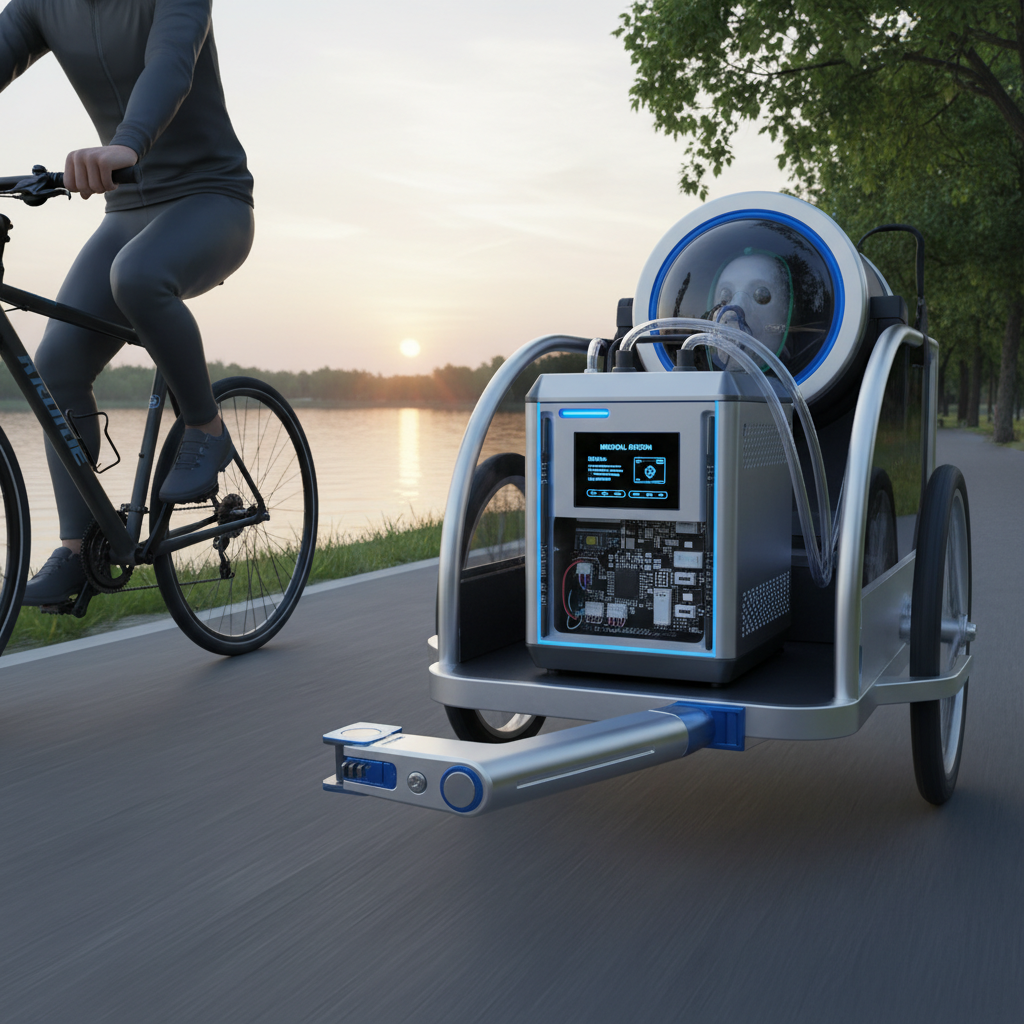
The next generation of bike trailer parts is leaning heavily toward electrification. We are beginning to see "power-assist" axles that integrate small electric motors to help the rider pull heavy loads uphill. This innovation transforms the bike trailer from a passive load into an active partner in transportation.
Smart integration is another emerging trend. Future parts may include embedded sensors in the hitch to monitor load balance or tire pressure sensors that alert the rider via a smartphone app. These digital enhancements will significantly increase safety, especially for those transporting children or fragile cargo.
Furthermore, the adoption of 3D printing for custom bike trailer parts is becoming a reality. This allows users to print specific brackets or mounts tailored to their unique bicycle frame, ensuring a perfect fit and eliminating the need for cumbersome universal adapters.
Overcoming Challenges in Trailer Maintenance
One of the most common challenges with bike trailer parts is the accumulation of grime and salt in the axle bearings, leading to increased friction and eventual failure. The solution lies in the adoption of sealed cartridge bearings, which protect the internal components from the elements and require far less maintenance than traditional loose-ball systems.
Another pain point is the instability caused by incorrect hitch alignment. Many riders struggle with trailers that "fishtail" at higher speeds. Expert insights suggest that moving toward a dual-pivot hitch system can absorb more lateral movement, providing a smoother ride and reducing the stress on the bicycle's rear axle.
Lastly, the lack of standardization across different brands often makes finding replacement bike trailer parts difficult. The industry is slowly moving toward a "universal standard" for axle widths and bolt patterns, which will eventually allow users to mix and match components from different manufacturers without compatibility issues.
Comparative Analysis of Bike Trailer Part Materials and Maintenance
|
Material Type
|
Weight Impact
|
Maintenance Needs
|
Expected Lifespan
|
| Aluminum Alloy |
Very Low |
Minimal |
5-8 Years |
| Powder-Coated Steel |
High |
Moderate (Rust check) |
10+ Years |
| Carbon Fiber |
Ultra Low |
Low (Impact check) |
4-7 Years |
| Reinforced Plastic |
Low |
Low |
3-5 Years |
| Titanium Grade 5 |
Low |
Negligible |
20+ Years |
| Rubber/Polymer |
Moderate |
High (Wear/Tear) |
1-3 Years |
FAQS
It is recommended to perform a visual inspection of all bike trailer parts before every long trip. Check the hitch connection for looseness, inspect tire pressure, and ensure the axle bolts are tightened. For daily users, a deep cleaning and lubrication of the bearings every 3-6 months is essential to prevent premature corrosion and friction.
We strongly advise against using generic hardware. Specialized bike trailer parts are engineered to specific tensile strengths and vibration tolerances. Generic bolts may shear under load or loosen due to road vibrations, posing a significant safety risk. Always use manufacturer-approved replacement parts to ensure the structural integrity of your trailer.
For rainy or coastal environments, anodized aluminum or stainless steel bike trailer parts are the best choice. These materials naturally resist oxidation and rust. If you use powder-coated steel, it is important to touch up any chips in the paint immediately to prevent moisture from reaching the bare metal and causing rust spots.
While many bike trailer parts are designed to be universal, compatibility depends on your bike's axle type (e.g., quick-release vs. thru-axle). Some trailers require a specific adapter for thru-axle bikes. Always check the mounting specifications of the hitch to ensure it fits your bike's rear dropout and doesn't interfere with the derailleur.
Swaying is often caused by improper load distribution or worn-out hitch components. Ensure your heaviest cargo is positioned centrally and low. If the problem persists, check your bike trailer parts for play in the pivot point. Replacing a worn bushing or upgrading to a more stable dual-pivot hitch can significantly improve tracking and stability.
Yes, you can upgrade to off-road specific bike trailer parts such as wider, knobby tires for better traction and reinforced axles to handle rough terrain. Additionally, installing a suspension spring in the hitch can help absorb shocks, protecting both your cargo and the bicycle frame from excessive vibration on gravel or forest trails.
Conclusion
In summary, the quality and maintenance of bike trailer parts are fundamental to the safety, efficiency, and longevity of any cycling transport system. From the critical strength of the hitch to the efficiency of the axle bearings, each component plays a vital role in transforming a simple bicycle into a versatile hauling machine. By prioritizing durable materials and adhering to regular maintenance schedules, users can maximize the utility of their equipment while minimizing environmental impact.
Looking forward, the integration of smart technology and electric assistance will further redefine the boundaries of what bike trailers can achieve. As we move toward a more sustainable urban future, the continued innovation in these components will empower more people to ditch the car in favor of a more flexible, eco-friendly alternative. We encourage all cyclists to invest in high-grade, certified parts to ensure every journey is safe and effortless. Visit our website for more professional solutions: www.ikia-tanda.com