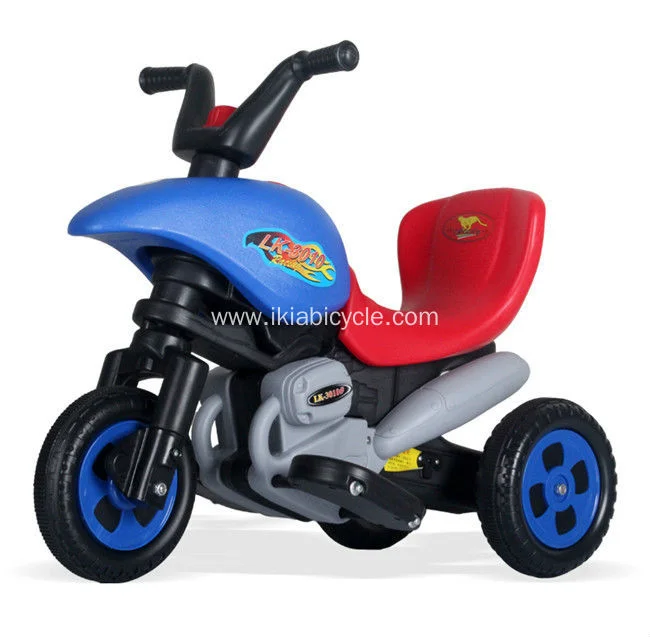
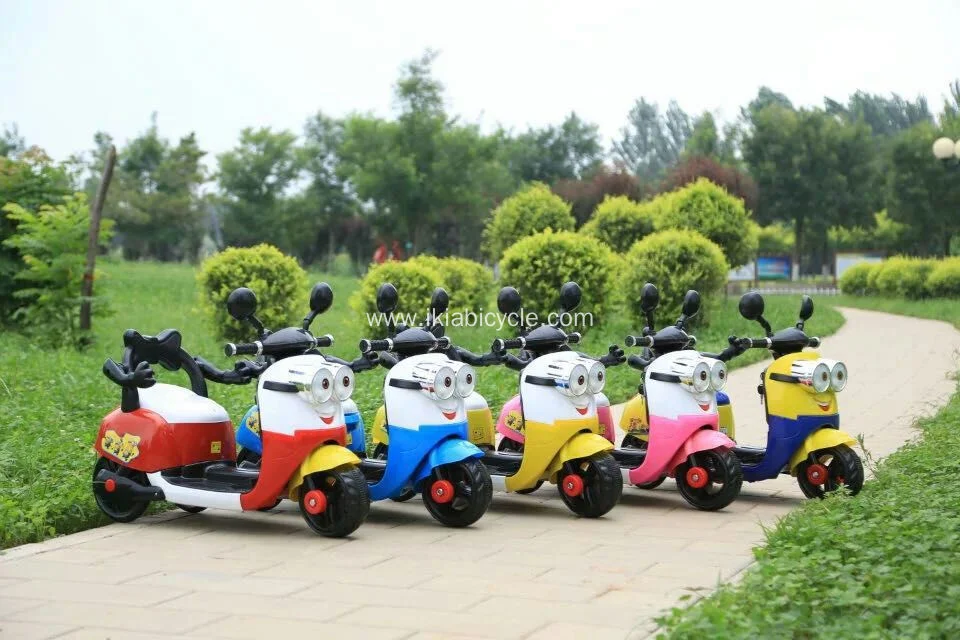
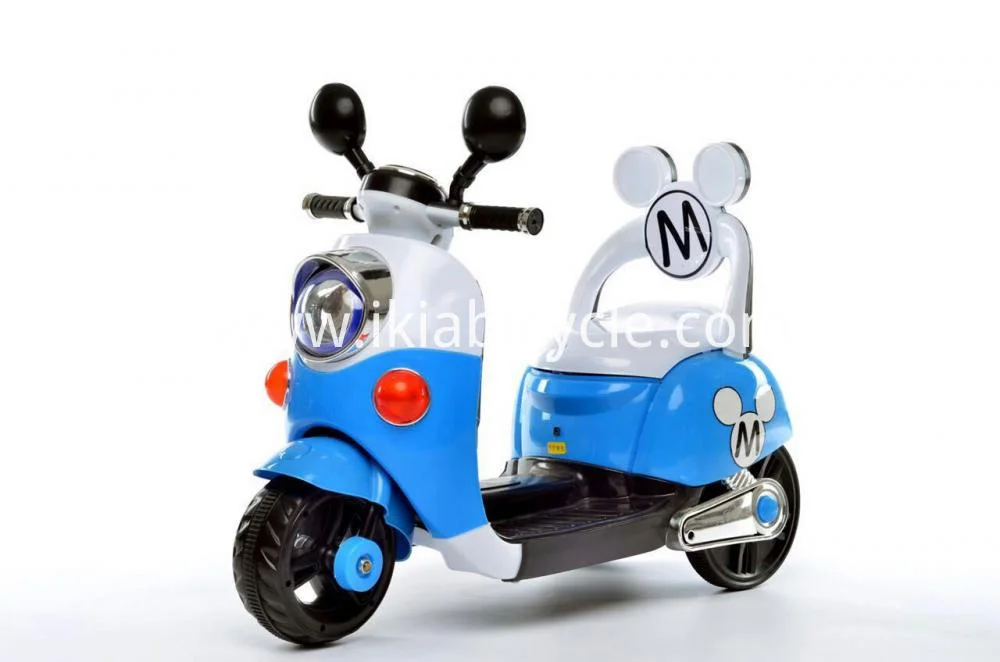
Alright, let's talk about something that's really picked up speed (pun absolutely intended!) in recent years: electric motorcycle for kids. I remember when battery-powered rides were clunky, slow, and frankly, a bit boring. But things have changed dramatically. Today's electric kid motorcycles are sleek, packed with features, and honestly, pretty cool.
The Buzz: Why Kids Electric Motorcycle Are Taking Over
It's no secret that the market for children's ride-on toys is booming, and electric motorcycles for kids are right at the forefront. Why? Well, I guess parents are increasingly looking for toys that combine outdoor activity with modern technology. These aren't just toys; they're often seen as tools for developing balance, coordination, and a sense of adventure in a controlled, safe environment. Plus, let's be honest, they look fantastic! The trend towards sustainable, battery-powered vehicles has definitely trickled down to the kids' market, too, which is a nice bonus.
What Powers the Fun? Key Technical Specs
When you're looking at an electric kid motorcycle, there are a few technical bits you'll want to keep an eye on. These aren't full-blown adult bikes, of course, but the principles are similar. You've got the battery, the motor, and the overall construction quality.
Take, for instance, the "Electric Baby Motorcycle for Kids" from IKIA-TANDA. From what I've seen, it's a pretty good example of what's out there. Here's a quick look at typical specifications you'd find:
Typical Kids Electric Motorcycle Specifications |
Feature | Specification (IKIA-TANDA example) |
Recommended Age | ≈ 2-6 years (parental supervision always advised!) |
Battery Voltage | 6V or 12V (depending on model) |
Motor Power | Typically 15W-30W |
Max Speed | Around 3-5 km/h (real-world use may vary) |
Max Weight Capacity | ≈ 25-30 kg |
Charging Time | 8-12 hours |
Run Time | 1-2 hours (depends on usage) |
Material | High-quality PP plastic, metal frame |
From Concept to Playground: The Making of a Kids' Ride
Ever wondered what goes into these little machines? It's not just thrown together, you know. The "Electric Baby Motorcycle for Kids" and similar products follow a pretty rigorous process. It starts with selecting superior materials – typically robust, child-safe PP plastic and sturdy metal components for the chassis. The manufacturing process involves precision molding, secure assembly, and then, crucially, a whole battery of testing.
Each unit undergoes quality control checks for stability, battery performance, motor function, and crucially, safety standards. This often means meeting international certifications like CE for Europe, ASTM for North America, or local standards depending on the market. Manufacturers aim for a service life that ensures the toy lasts for several years, through various stages of a child's growth, which means durability is key. These aren't just sold in local shops; they've found a warm reception in markets across South-east Asia, the Middle East, South America, and Africa, which really speaks volumes about their global appeal and perceived quality.
Choosing Your Ride: Vendor Comparison & Customization
With so many options, how do you pick the right electric motorcycles for kids? It really comes down to features, brand reputation, and budget. While I can't name every specific competitor, here's a general comparison framework:
Vendor Comparison: Kids Electric Motorcycle |
Category | Budget Options | Mid-Range (e.g., IKIA-TANDA) | Premium Brands |
Price Point | Lower | Moderate | Higher |
Material Quality | Basic plastic | Superior PP, sturdy frame | High-grade composites, advanced tech |
Features | Essential functions | Music, lights, early education modes | Bluetooth, parental remote, suspension |
After-sales Support | Varies greatly | Generally good | Excellent |
One cool thing about products like the "Electric Baby Motorcycle for Kids" is the level of customization available. Many models come with different functions to enhance the play experience – think built-in music players, flashing lights, and even early education features with pre-loaded stories or songs. This can really make a difference in how engaging the toy is for a child.
Real-World Thrills: Application & Customer Feedback
So, where do these kids electric motorcycle shine? Backyard adventures are probably the most common scenario. Imagine a little one cruising around the lawn, feeling like a mini-superhero! They're also fantastic for paved driveways, local parks (where permitted, of course), and even large indoor spaces. From a developmental perspective, operating these bikes helps children understand basic cause and effect, practice steering, and develop spatial awareness.
Customer feedback is overwhelmingly positive for well-made models. Many customers say they appreciate the sturdy build, the ease of operation for young children, and the sheer joy it brings. The fact that models like IKIA-TANDA's have met with such a warm reception internationally is a testament to their balance of quality, features, and affordability.
Final Thoughts: A Ride Into Fun!
All in all, the electric motorcycle for kids market is dynamic and offers a fantastic range of products. Whether you're looking for something basic or a feature-packed ride, there's definitely an option out there to put a smile on a child's face. Just make sure to prioritize safety features and age appropriateness, and you're good to go!
Authoritative Citations:
1. Consumer Product Safety Commission (CPSC) Guidelines for Ride-On Toys. (Available via cpsc.gov)
2. ASTM F963 - Standard Consumer Safety Specification for Toy Safety. (Available via astm.org)
3. European Toy Safety Directive 2009/48/EC (CE Mark requirements). (Available via ec.europa.eu)