Choosing the Best Tricycle for a 3 Year Old: A Comprehensive Guide
Selecting the right tricycle for your 3 year old is a big decision! It's about more than just fun – it’s about fostering independence, developing motor skills, and ensuring their safety. This guide will walk you through everything you need to know, from key features to popular models, helping you find the perfect ride for your little one. We'll cover safety considerations, developmental benefits, and provide expert advice to make an informed purchase.
Understanding the Developmental Benefits of Tricycles
Tricycles aren't just toys; they are valuable tools for a child’s development. At 3 years old, children are rapidly developing their gross motor skills, coordination, and spatial awareness. Riding a tricycle encourages these skills, helping them build strength in their legs and core. It also promotes problem-solving as they learn to steer and navigate. Furthermore, the sense of independence and accomplishment a child feels while riding a tricycle boosts their confidence and self-esteem. These early experiences with mobility lay a foundation for learning to ride a bicycle later on. Choosing the right tricycle is an investment in your child’s physical and cognitive growth.
Key Features to Look for in a Tricycle for 3 Year Olds
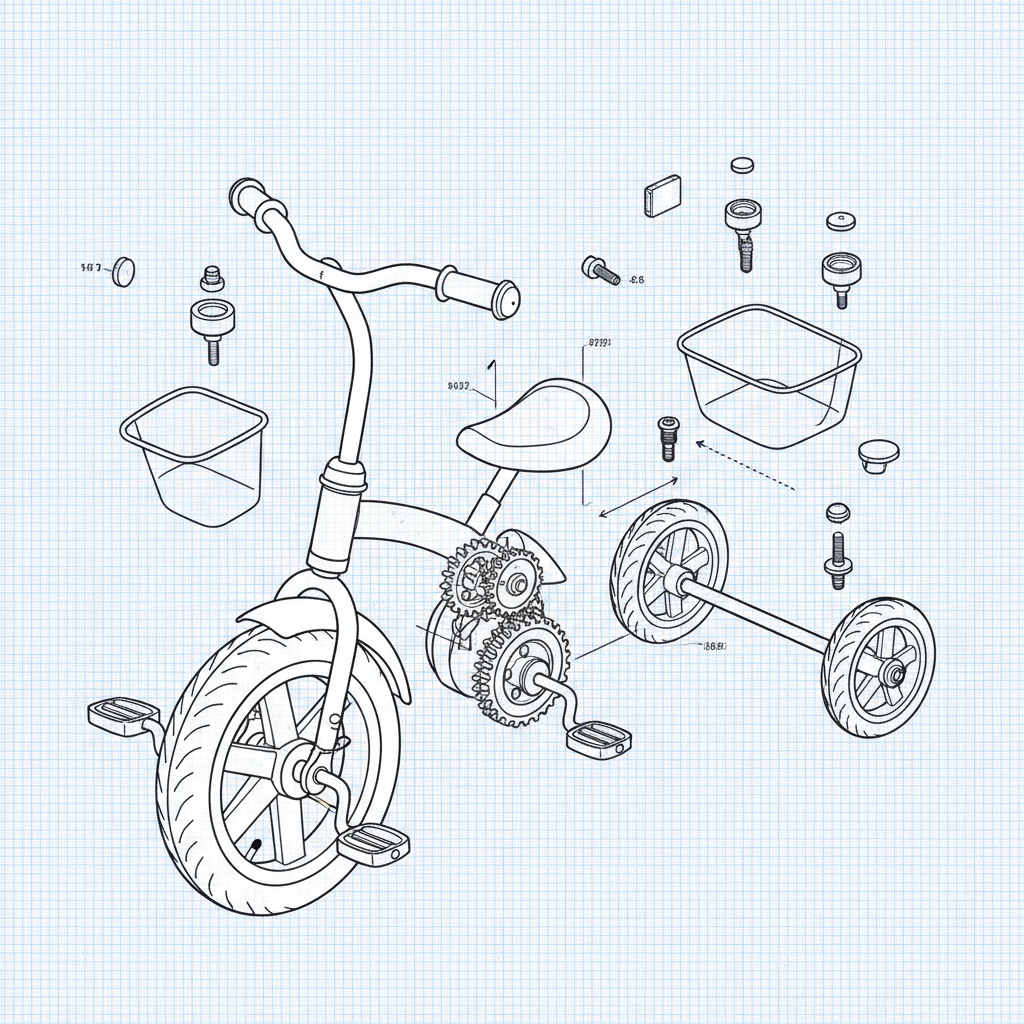
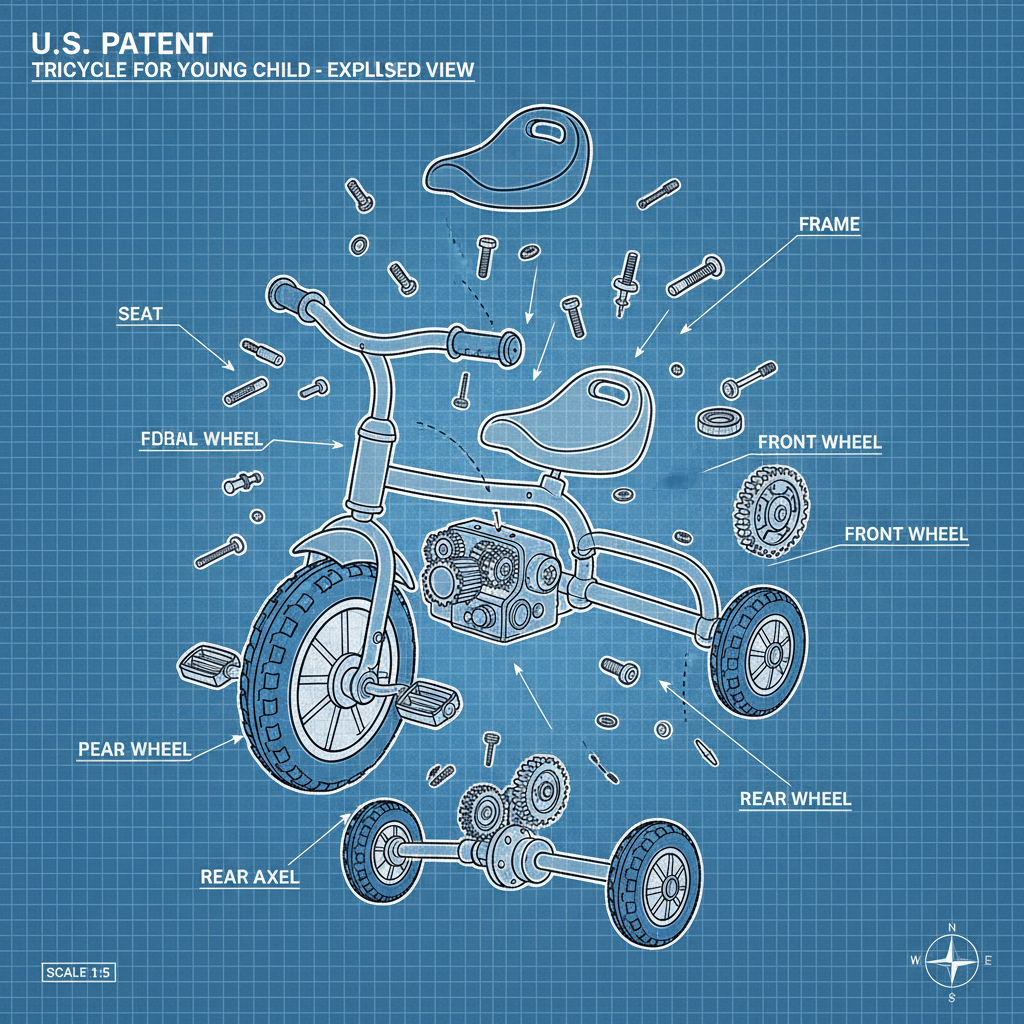
When shopping for a tricycle for 3 year old children, several features are crucial. Stability is paramount; a wide wheelbase prevents tipping. Adjustability is important to accommodate growth. Look for adjustable seats and handlebars. Durability ensures the tricycle can withstand active use. A low center of gravity makes it easier for little riders to control the tricycle. Consider features like a parent handle for pushing assistance and a bucket or storage area for carrying toys. Finally, prioritize safety features like a chain guard to prevent clothing from getting caught.
Essential Features: Stability, Adjustability, Durability, Low Center of Gravity, Safety Guard
Comparing Popular Tricycle Types
There are several types of tricycles available, each with its pros and cons. Classic tricycles offer simple, straightforward riding. Parent-controlled tricycles provide added security and guidance for younger riders. Convertible tricycles can transition from a parent-controlled mode to an independent riding mode as the child develops. Finally, there are ride-on toys that incorporate tricycle features, offering a more versatile play experience. Understanding the differences will help you choose the best option for your child’s needs and development level.
| Type |
Pros |
Cons |
| Classic Tricycle |
Simple, Durable, Affordable |
Less adaptable, requires more coordination |
| Parent-Controlled |
Added safety, easy guidance |
Limits independence |
| Convertible Tricycle |
Grows with the child, versatile |
Can be more expensive |
Safety First: Essential Safety Considerations
Safety is the most important factor when choosing a tricycle for your 3 year old. Always ensure your child wears a properly fitted helmet. Choose a tricycle with a chain guard to prevent injuries. Supervise your child closely, especially when they are first learning to ride. Teach them basic traffic safety rules, such as looking both ways before "crossing" the driveway. Inspect the tricycle regularly for any loose parts or damage. Riding should take place in a safe, enclosed area away from traffic.
Ikia-Tanda Tricycles: Designed for Growing Explorers
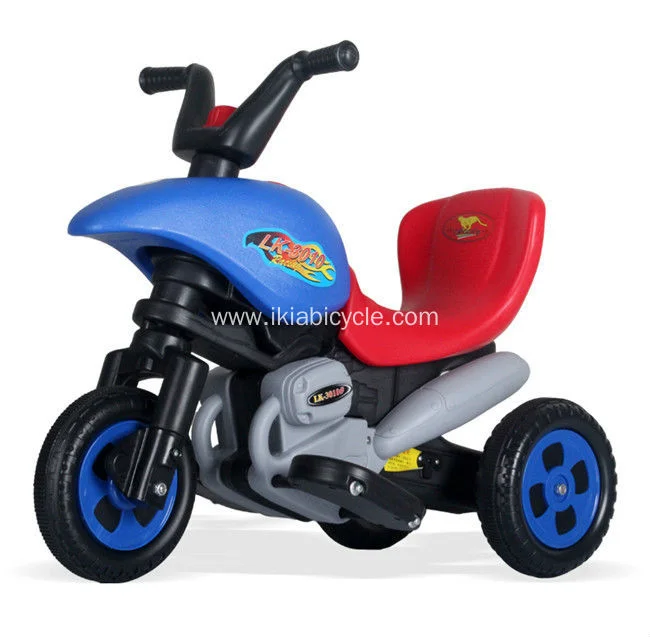
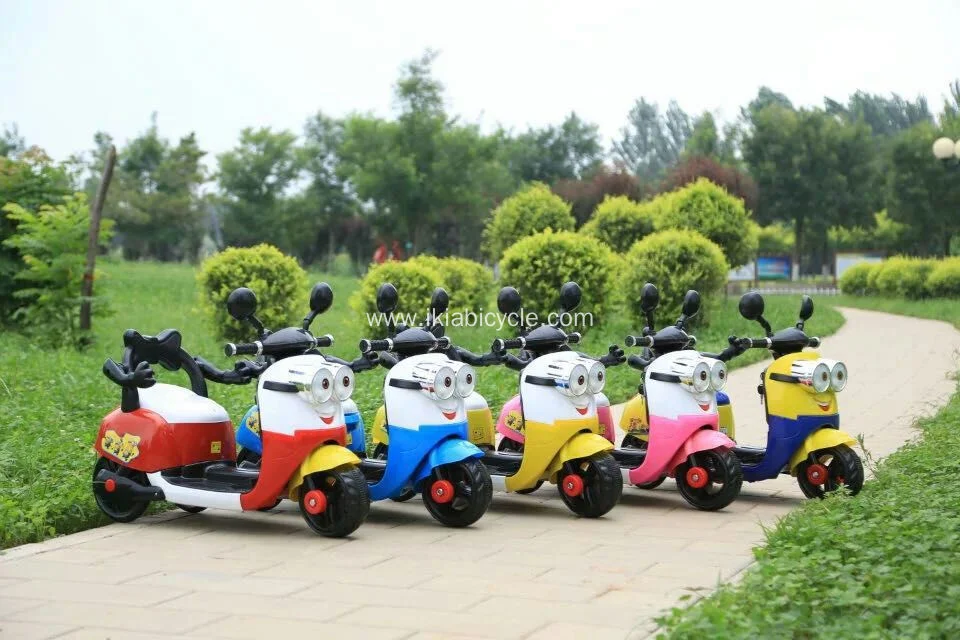
At Ikia-Tanda, we specialize in creating high-quality, safe, and fun tricycles for young children. Our tricycles are designed with durability, adjustability, and safety in mind. We use premium materials and rigorous testing to ensure our products meet the highest standards. We offer a range of models to suit different needs and budgets. Here is a specification table for our most popular tricycle:
| Specification |
Detail |
| Weight Capacity
| 55 lbs |
| Seat Height Adjustment
| 12-16 inches |
| Frame Material
| Steel |
| Wheel Type
| EVA Foam |
Conclusion: Choose the Right Ride for Your Little One
Choosing the right tricycle for a 3 year old is an important step in their development. By considering safety, features, and your child's individual needs, you can find a tricycle that will provide hours of fun and learning. Explore our collection at Ikia-Tanda today!
Frequently Asked Questions (FAQs)
What age is a tricycle appropriate for?
Generally, tricycles are suitable for children aged 2 to 4 years old. However, it depends on the child’s developmental stage and physical abilities. A 3-year-old is typically ready for a tricycle, as they have developed the necessary leg strength and coordination. Look for models with adjustable seats and handlebars to accommodate their growing size. It’s important that the child can comfortably reach the pedals and steer the tricycle without difficulty. Consider starting with a tricycle that offers parent control features for added safety and assistance during the initial learning phase.
How do I teach my child to ride a tricycle?
Start by letting your child sit on the tricycle and practice pedaling while you hold onto it for support. Encourage them to look ahead and steer. Once they feel comfortable, gradually reduce your assistance. Choose a flat, smooth surface for practice. Positive reinforcement and encouragement are crucial. Make it fun! Avoid pushing or forcing your child, as this can create anxiety. Small, achievable goals will build their confidence. Always supervise them closely and ensure they wear a helmet.
What is the best material for a tricycle frame?
Steel and aluminum are the most common materials for tricycle frames. Steel is durable and affordable, making it a popular choice for younger children. Aluminum is lighter, which can make it easier for a child to maneuver the tricycle. However, aluminum frames tend to be more expensive. Consider your budget and the level of durability you need. At Ikia-Tanda, we utilize high-quality steel for its robustness and reliability.