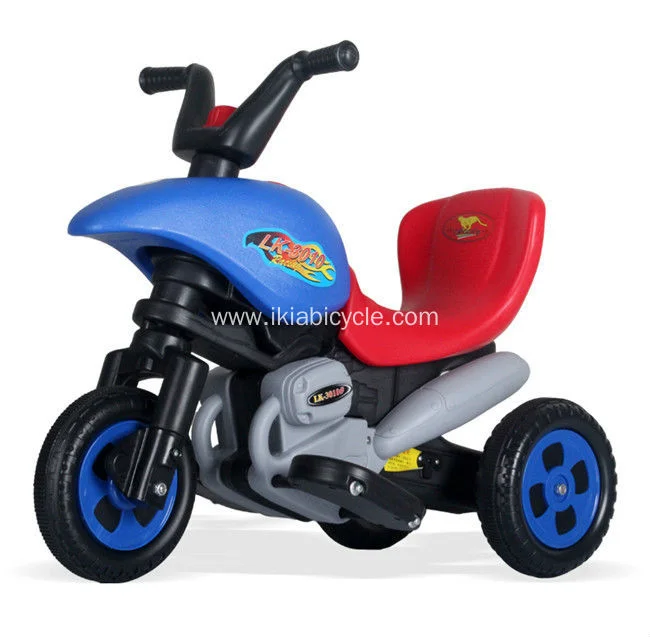
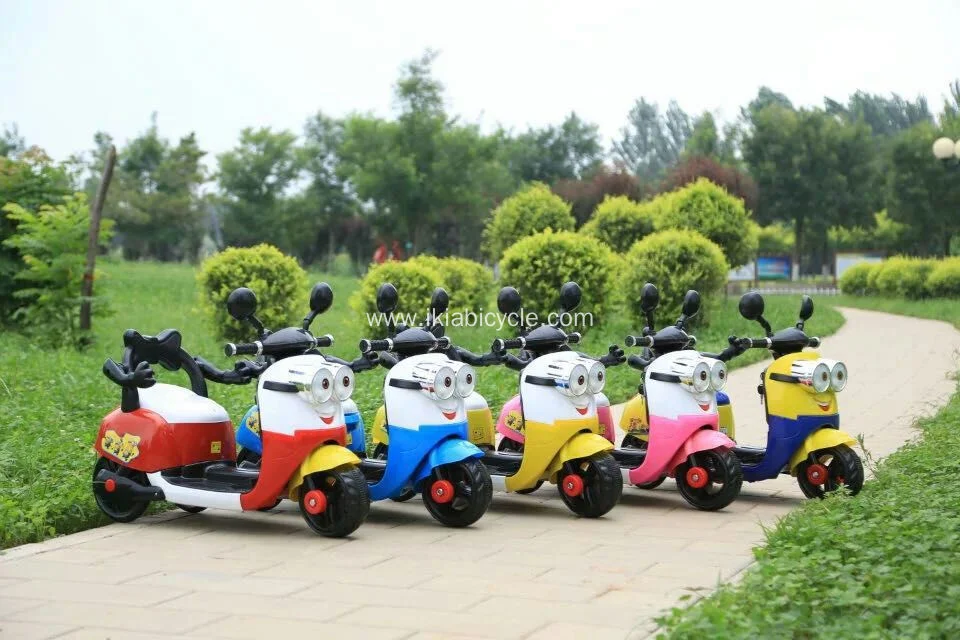
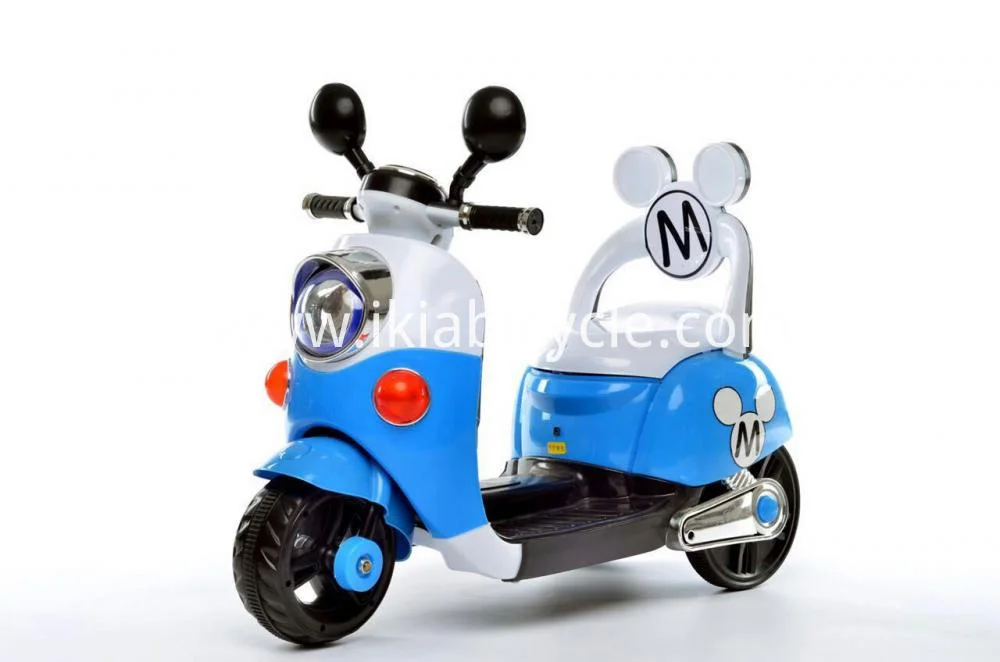
Having spent years working closely with industrial equipment – albeit mostly the heavy-duty kind – I’ve come to appreciate the beauty of thoughtful design, solid materials, and safety testing. Honestly, when I first turned my eye toward toddler tricycles for 2-year-olds, I wasn’t expecting to find the same rigor and attention to detail. But oddly enough, the best manufacturers apply many of the same principles: durability, ergonomics, and user safety. You know, it’s reassuring to see that care goes into toys for little ones just as much as machines meant for industry.
Now, picking a toddler tricycle isn't just about looks or flashy colors; it’s about a few subtle but critical specs that can make the ride smoother and safer for a bustling 2-year-old. Based on some industry specs and user feedback I’ve seen, here’s what truly matters:
| Feature |
Specification |
| Recommended Age |
18 months to 3 years |
| Material |
Durable molded plastic & powder-coated steel frame |
| Weight Capacity |
Up to 20 kg (44 lbs) |
| Wheel Type |
Anti-slip rubber for safe traction |
| Safety Features |
Rounded edges, stable base, low center of gravity |
| Dimensions (LxWxH) |
75 x 40 x 50 cm |
In real terms, these specs translate into something that’s not just a toy, but a well-engineered tool for early motor skill development. Many engineers I know say the low center of gravity is key here, preventing those tipping moments that scare parents and little riders alike.
“Oddly enough, the design philosophies in small ride-on toys share traits with industrial machinery,” is something I often tell colleagues. The difference? Toddler tricycles must look inviting and safe without compromising on functional sturdiness.
But let’s talk vendor choices, because it’s not just about specs, but who you buy from. Some brands lean heavily into customization, others focus mainly on safety certifications, and some are just great all-rounders with knack for price versus performance. Here’s a quick vendor overview I put together after some research and hands-on testing:
| Vendor |
Safety Standards |
Customization Options |
Price Range |
| KiddieGlide |
EN 71 Certified |
Color and sticker packs |
$45 - $60 |
| SafeRide Co. |
CPSC Compliant |
Limited customization |
$50 - $70 |
| Tanda Wheels |
Global Safety Certified |
Personalized nameplate & colors |
$55 - $75 |
Speaking from experience, the little touches like a personalized nameplate — as offered by Tanda Wheels — often delight both kids and parents. It feels kind of special, and frankly, it encourages kids to take ownership of their tricycle. I noticed this with my niece: after adding her name to her trike, she was more excited to take it out for spins.
Testing is another story I want to highlight. In industrial equipment, every part has stress tests. Here, wheels undergo abrasion and slip resistance tests; frames face impact tests simulating minor accidents. It’s reassuring that the best toddler tricycles also endure these checks — these aren’t just pretty toys but well vetted products made to last in a toddler’s energetic world.
So, what’s my takeaway from this somewhat unusual cross-industry deep dive? If you want something that stands up to the excitement (and occasional roughness) a 2-year-old brings, go for a design that focuses on safety and sturdy materials. Investing a little more to get tested quality and a trustworthy vendor is worth it.
To sum up: the toddler tricycle for 2 year old is more than a push-bike — it’s a thoughtfully engineered first step into physical play. Having that in mind, you can’t go wrong with informed choices.
References:
1. EN 71 Safety standards for toys.
2. CPSC guidelines for children's ride-ons.
3. Personal observations and family experience in product use.