Tricycle Assembly Manual: Your Go-To Guide for Smooth Setup
After years working hands-on in the industrial equipment sector, I can tell you that assembling a tricycle — seemingly straightforward — often comes with quirks and unexpected detours. It’s not just about bolting wheels and handlebars together. There's a bit of art to it, influenced by design choices, materials, and of course, the end user’s needs.
Tricycle assembly manual guides I've seen vary widely. Some are bare bones, others verbose to a fault. The trick is clear, practical instructions with photos or diagrams alongside quality parts. Honestly, the best manuals anticipate the questions technicians will have — and answer them before you have to ask.
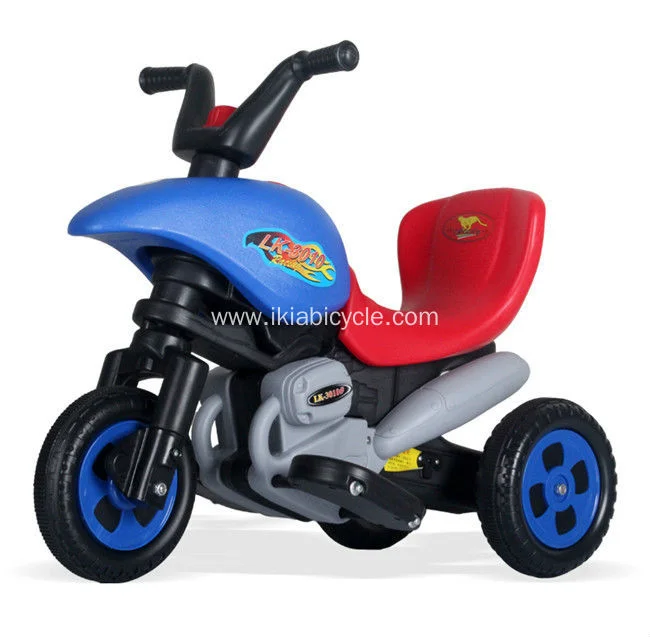
Oddly enough, many of the tricycles I’ve worked on rely on cold-rolled steel frames combined with durable rubber tires. It feels reliable and robust without being too bulky. Customers often don’t realize the thought behind materials — from corrosion-resistant coatings to reinforced axle joints — until they see how smoothly the tricycle rolls after assembly. The smoother the build, the better the ride.
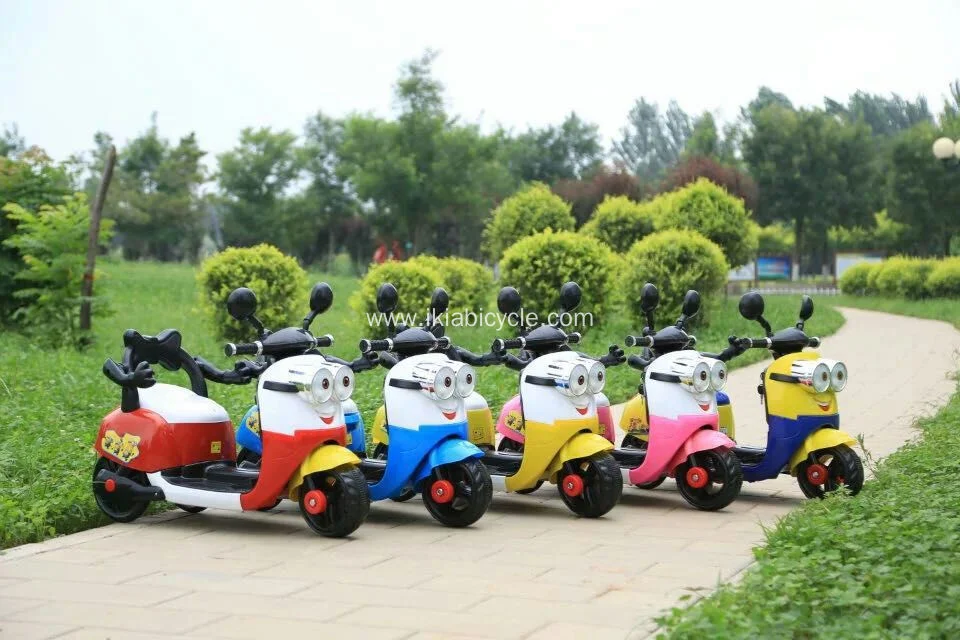
I remember helping a small community center assemble tricycle fleets for their playground. The manual they chose was well-structured, but some parts were under-specified, so we improvised slightly — adding thread-lock to critical bolts and double-checking torque levels. This case underscored something many engineers say: manuals should never be static documents. They’re living guides, improving with each build.
Here’s a straightforward specification table summarizing typical features you’ll see detailed in a quality tricycle assembly manual:
| Specification |
Details |
| Frame Material |
Cold-rolled Steel, Powder Coated |
| Wheel Diameter |
12 inches (front), 10 inches (rear) |
| Tire Type |
Pneumatic Rubber with Kevlar reinforcement |
| Handlebar |
Adjustable Height with Rubber Grips |
| Weight Capacity |
Up to 60 kg (132 lbs) |
| Assembly Time |
Approx. 45 minutes (2 persons) |
Naturally, when sourcing tricycle kits or parts, you want to balance cost and quality. Though, I always advise looking deeper than price tags alone. Below is a quick vendor comparison table to illustrate some choices in the marketplace. Keep in mind, features and service can vary widely.
| Vendor |
Price per Unit |
Warranty |
Assembly Manual Quality |
Customer Support |
| AlphaCycles |
$120 |
1 Year |
Detailed w/ Diagrams |
Responsive |
| BetaTrikes |
$110 |
6 Months |
Basic, Text Only |
Limited Office Hours |
| GammaEquip |
$135 |
2 Years |
Comprehensive & Illustrated |
24/7 Support |
It’s worth noting that any good manual should highlight safety checks — ensuring nuts and bolts are torqued correctly, that no sharp edges remain exposed, and that all moving components spin freely but securely. Frankly, the manual’s role is vital not just for assembly but for long-term durability.
In real terms, a tricycle assembly manual that fits both technicians and end-users well boosts confidence, reduces assembly errors, and ultimately makes for a better product experience. Whether you’re in a warehouse, a school supply room, or a community center, it pays to have the right instructions. And if you’re considering sourcing manuals or product kits, I recommend a careful look at vendors who update their assembly documentation regularly – it’s a subtle sign of quality.
It’s been a real privilege to watch these small, sturdy vehicles come together — you learn something new with each build, and oddly enough, it makes you appreciate the simple joy a tricycle can bring.
— Joe R., Industrial Equipment Specialist
References:
1. Industrial Equipment Assembly Best Practices, TechMag, 2021
2. "Design and Durability Considerations for Child Vehicles," Journal of Material Engineering, 2020
3. Customer Feedback Reports, Community Playground Projects, 2019-2023