Peru's diverse topography, from the coastal plains of Lima to the high altitudes of the Andes, creates a fragmented demand for transport equipment. In urban centers, the rise of health-consciousness has surged the demand for indoor cycling bike units, while rural areas rely heavily on durable, low-maintenance mobility tools for daily logistics.
Economic growth in the Peruvian middle class has shifted consumer behavior toward higher-quality bicycle parts. There is a noticeable transition from generic imports to specialized components that can withstand the humid coastal air and the rugged terrains of the highlands, requiring superior corrosion resistance and structural integrity.
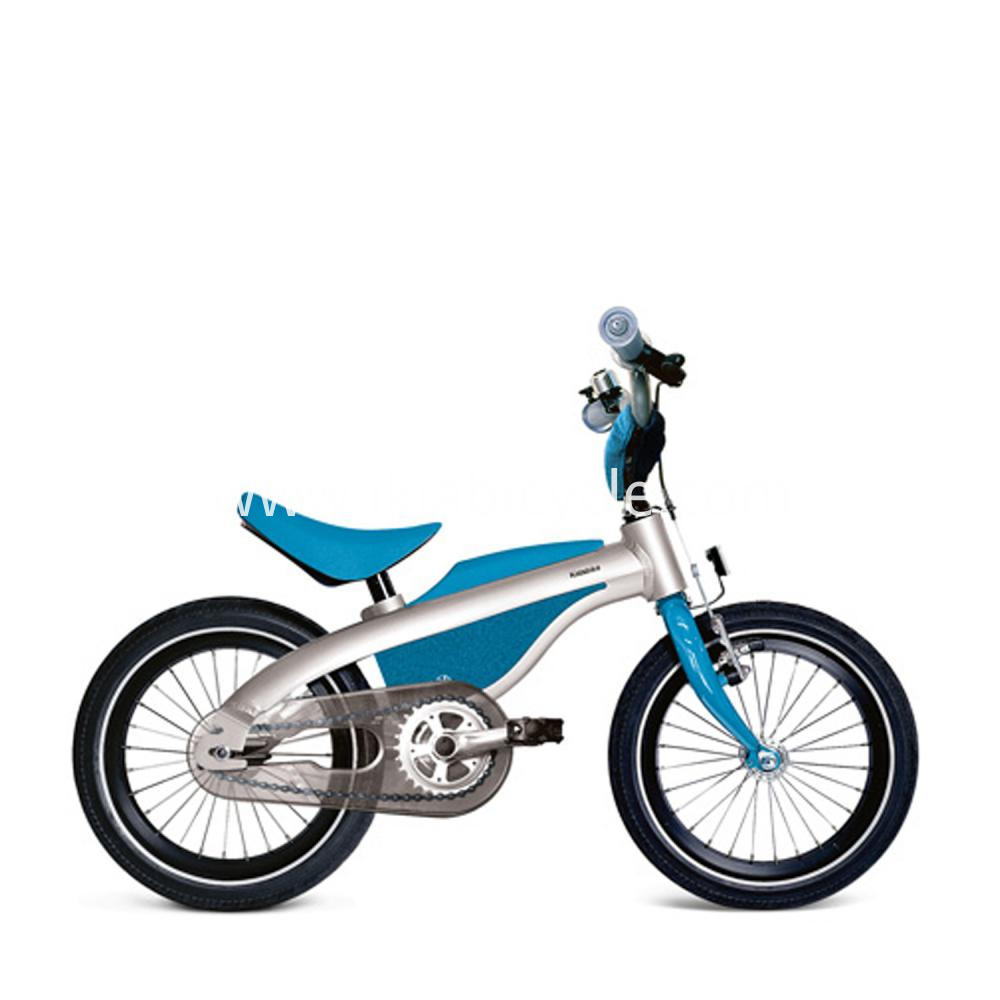
Furthermore, the juvenile market in Peru shows a strong preference for interactive development tools. The adoption of the baby walker and educational ride-ons has increased, reflecting a broader trend toward early childhood motor-skill development and parental investment in high-safety standard manufacturing.