
banner
news

Japan Premium Mobility Solutions: Advanced tricycle bike Engineering

Integrating Japanese precision with global manufacturing standards to redefine urban and early-childhood transport equipment.

Japan Premium Mobility Solutions: Advanced tricycle bike Engineering

We provide a comprehensive ecosystem of high-performance cycling and developmental mobility gear tailored for the Japanese market's stringent quality demands.

The Landscape of Mobility Manufacturing in Japan

Analyzing the intersection of urban density and health-conscious consumerism.

Japan's unique geography, characterized by hyper-dense urban centers like Tokyo and Osaka, has created a massive demand for space-efficient fitness tools. The rise of the indoor cycling bike is a direct response to the "small-home" architecture and the desire for health maintenance regardless of the rainy season (Tsuyu).

In the pediatric sector, Japanese parents prioritize ergonomic safety and developmental milestones. This has shifted the market from basic strollers to sophisticated baby walker designs that emphasize posture correction and neurological stimulation, adhering to the strict JIS (Japanese Industrial Standards).

Furthermore, the aging population and the "Silver Economy" have revitalized interest in stable three-wheelers. The modern tricycle bike is no longer just a child's toy but an engineered vehicle focusing on stability and low-center-of-gravity physics for diverse age groups.
Evolutionary Trajectory of Cycling Equipment

From mechanical simplicity to smart-integrated mobility systems.

Market Development History

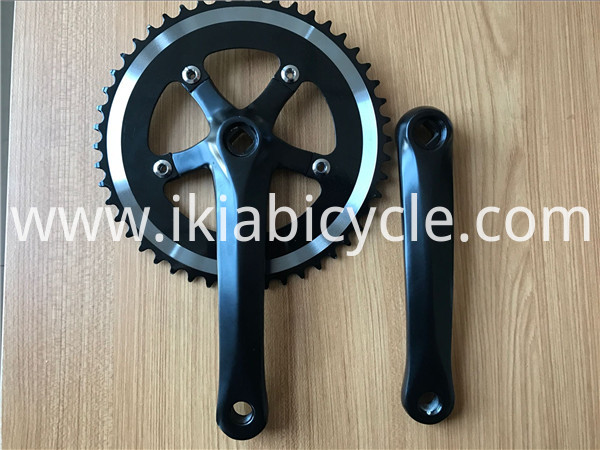
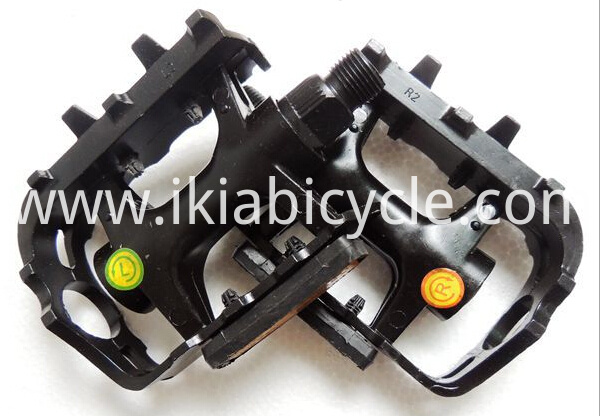
Between 1990 and 2010, the Japanese market focused heavily on mechanical reliability and the perfection of bicycle parts. The emphasis was on lightweight alloys and precision gearing to navigate the hilly terrains of Kyoto and Nagano.

From 2011 to 2020, a digital shift occurred. The integration of IoT into home fitness led to the evolution of the stationary bike into a data-driven indoor cycling bike, synchronizing with health apps to track cardiovascular performance in real-time.

Since 2021, the "Electric Revolution" has penetrated the toy and mobility sector. We have seen a transition from manual pushing to the sophisticated electronics found in kids electric ride on toys, focusing on lithium-battery safety and remote parental control.

Future Development Trends

AI-Driven Ergonomics

Future designs will utilize AI to analyze user posture, automatically adjusting the geometry of frames to prevent injury and maximize efficiency.

Sustainable Bio-Materials

A shift toward recycled ocean plastics and bamboo-composite frames to align with Japan's "Society 5.0" sustainability goals.

Integrated Smart-Safety Sensors

Implementation of LiDAR and ultrasonic sensors in children's vehicles to prevent collisions in crowded urban environments.

Industry Outlook and Technological Forecast

Predicting the next wave of transport equipment innovation.

Hyper-Personalization
Custom-fit components using 3D scanning to ensure maximum comfort for diverse body types in the Asian market.
Modular Architecture
Interchangeable frames that allow a vehicle to grow with the child, reducing waste and cost.
Eco-Energy Recovery
Kinetic energy recovery systems (KERS) integrated into high-end bicycle parts to extend battery life.
Gamified Fitness
VR/AR integration for home cycling to simulate Tokyo's scenic routes globally.

Industry Outlook

Based on Google search trends in Japan, there is a surging interest in "Sustainable Urban Mobility" and "Childhood Cognitive Development." This indicates a pivot toward products that serve both a functional and an educational purpose.

We expect the synergy between traditional manufacturing and smart electronics to peak by 2027, where the line between a toy and a mobility device blurs, creating a new category of "Smart Development Vehicles."

Localized Application Scenarios in Japan

Real-world implementations of our mobility solutions.

01. Tokyo Apartment Home-Gym Integration

Utilizing the ultra-slim profile of our indoor cycling bike to fit into 1K/1LDK apartment layouts without compromising workout intensity.

02. Urban Park Developmental Play

Deploying the ergonomically designed baby walker in city parks to encourage safe first steps in controlled, paved environments.

03. Educational Preschool Mobility

Integrating kids electric ride on toys into kindergarten curriculum to teach basic traffic rules and spatial awareness.

04. Senior Stability Mobility

Adapting the high-stability tricycle bike for elderly users in suburban residential areas for short-distance grocery trips.

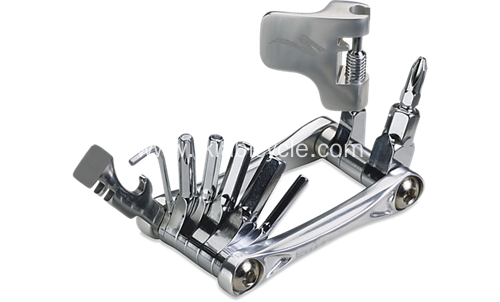
05. Professional Cycling Maintenance

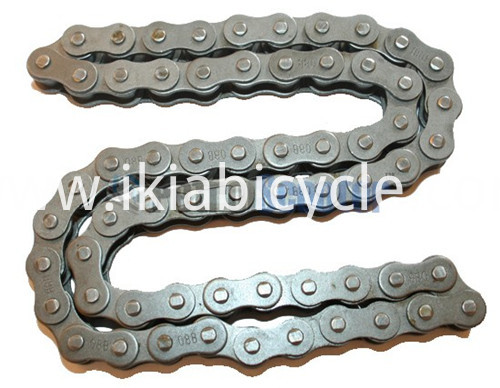
Supplying precision bicycle parts to specialized workshops in Shimanami Kaido to support the growing cycle-tourism industry.

Brand Story

Global Development Journey of Hebei Yijiashun Trade Co., Ltd.

Foundation of Precision

Started with a vision to bridge the gap between industrial manufacturing and end-user comfort in transport equipment.

Quality Standardization

Implemented rigorous ISO and JIS-aligned quality control systems to penetrate the demanding East Asian markets.

Technological Pivot

Expanded from traditional mechanical parts to electronic mobility solutions and smart fitness equipment.

Globalized Supply Chain

Optimized logistics to provide seamless delivery of heavy machinery and delicate toys across the Asia-Pacific region.

Sustainable Future

Committing to carbon-neutral production and recyclable materials for the next generation of mobility.

Comprehensive Mobility Portfolio for Japan

Engineered for excellence, designed for the Japanese lifestyle.

Frequently Asked Questions - Japan Market

Technical insights and procurement guidance.

Do your indoor cycling bike models comply with Japanese noise regulations?

Yes, our bikes feature magnetic resistance and silent-belt drives specifically engineered to meet the strict noise decibel limits of Japanese residential apartments.

What certifications do your baby walker and kids toys hold for the Asia market?

Our products are certified under ST (Safety Toy) standards and JIS, ensuring non-toxic materials and structural safety for infant use.

Can I source customized bicycle parts for high-end Japanese brands?

We offer OEM/ODM services with precision CNC machining to create components that meet exact technical blueprints and material specifications.

How is the battery safety managed in kids electric ride on toys?

We utilize high-grade Lithium-Iron-Phosphate (LiFePO4) batteries with integrated BMS to prevent overheating and overcharging, exceeding standard safety protocols.

Is the tricycle bike design suitable for the narrow streets of suburban Japan?

Absolutely. Our designs prioritize a narrow wheelbase and a tight turning radius to ensure effortless navigation through narrow Japanese residential alleys.

What is the typical lead time for bulk bicycle parts shipments to Japan?

Depending on customization levels, our standard lead time is 15-30 days, utilizing optimized sea-freight routes to major Japanese ports like Yokohama and Kobe.

Connect With Our Engineering Team

Ready to elevate your mobility product line in Japan? Our experts are here to provide technical consultation and wholesale solutions.

Contact Us Now

If you are interested in our products, you can choose to leave your information here, and we will be in touch with you shortly.

  • captcha