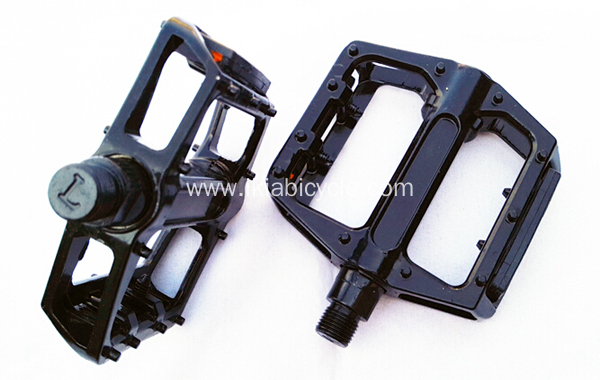
In Angola, the demand for durable mobility solutions is driven by a rapidly urbanizing population and a growing emphasis on health. The market for bicycle parts has seen a surge as users shift toward repairing and upgrading existing fleets rather than replacing them, reflecting a pragmatic approach to economic constraints.
The climate, characterized by high humidity and coastal salinity in cities like Luanda, requires materials with superior anti-corrosion properties. This has led to a transition from basic carbon steel to treated alloys in the production of the tricycle bike and other transport equipment to ensure longevity in tropical conditions.
Simultaneously, a rising middle class is investing more in home wellness and child development. This has created a niche but growing market for the indoor cycling bike and early education tools like the baby walker, shifting the industry from purely functional transport to lifestyle and developmental health.