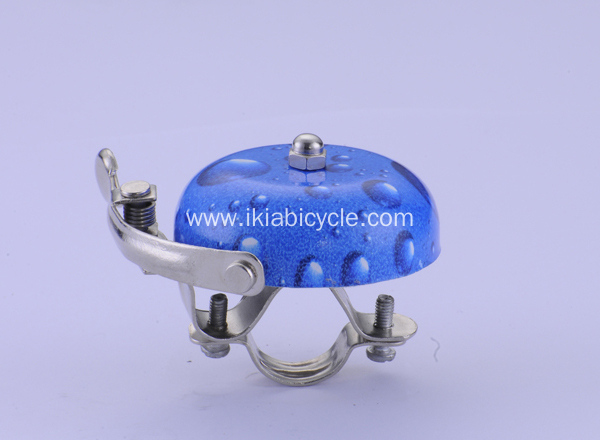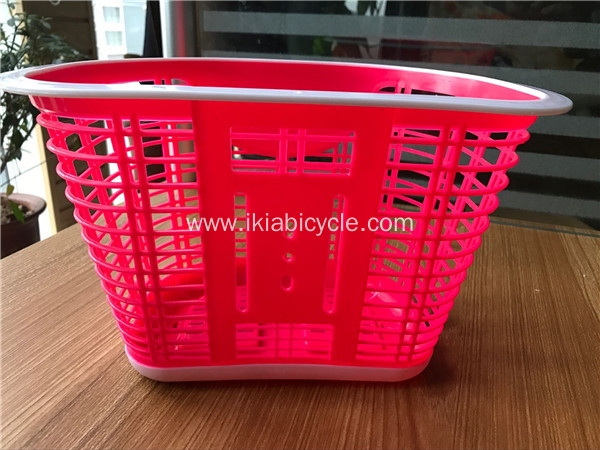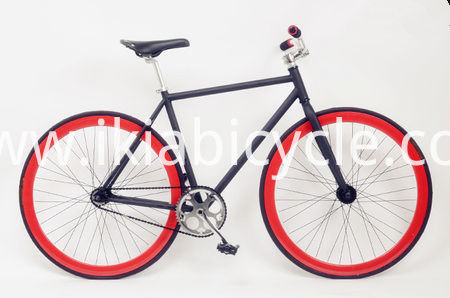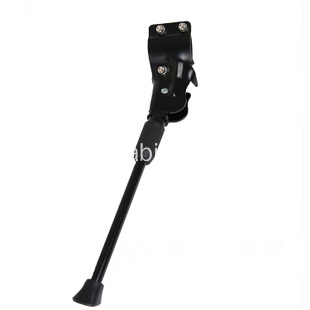

In the current Libyan market, the demand for robust bicycle parts is surging as urban centers like Tripoli and Benghazi seek sustainable, low-cost transport alternatives. The harsh Saharan climate requires materials that resist extreme heat and sand erosion, pushing the industry toward reinforced alloys and high-grade polymers.
For the domestic wellness sector, the rise of health consciousness has led to an increased adoption of the indoor cycling bike, allowing citizens to maintain fitness regimens away from the oppressive midday heat. This shift reflects a broader trend of integrating home-based fitness technology into the Libyan lifestyle.
Simultaneously, the childcare market is evolving, with a growing preference for structured developmental tools. The demand for the baby walker has shifted from basic utility to ergonomic designs that prioritize safety and physiological development for infants in expanding Libyan households.